
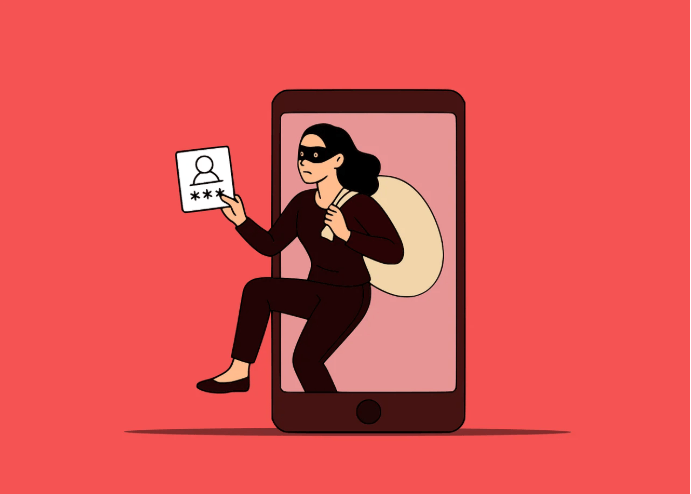
Intelligent people can fall for online scams because fraudsters exploit normal human psychological responses, including fear, trust, excitement, urgency, and the desire to avoid losing money. A convincing scam can manipulate the circumstances in which someone makes a decision, leaving little time for careful thinking. Intelligence alone does not eliminate these vulnerabilities. The most effective defence is to slow down, independently verify claims, and avoid making financial decisions under emotional pressure.
Introduction: The Hidden Psychology Behind Digital Fraud
Imagine a successful business owner receiving a message from someone claiming to represent their bank. The message warns that suspicious activity has been detected and that the account will be blocked unless the owner verifies their details immediately.
The message looks professional. The logo appears genuine. The language sounds official.
Without thinking too much, the business owner clicks the link.
How could an intelligent, experienced person make such a mistake?
The answer lies in human psychology.
Online scams do not succeed simply because people lack knowledge. Many succeed because criminals understand how people respond to uncertainty, authority, fear, and attractive opportunities. They design situations that encourage quick decisions before the victim has time to check the facts.
The American Psychological Association highlighted this problem in an October 2026 discussion of fraud psychology, explaining how people’s natural tendency to believe information and the pressure created by urgency can make deception more effective.
Understanding these psychological mechanisms can help people recognise manipulation before it leads to financial loss.
1. The Urgency Trap: Why Scammers Never Want You to Think?
One of the most common scam tactics is creating a false sense of urgency.
A victim might receive a message such as:
- “Your bank account will be suspended in 30 minutes.”
- “Your family member needs money immediately.”
- “Your investment opportunity expires tonight.”
- “Pay now to avoid legal action.”
These messages create the impression that waiting is more dangerous than acting.
When people believe they have very little time, they may focus on solving the apparent emergency rather than checking whether it is genuine. Stress and emotional arousal can interfere with careful evaluation.
Scammers exploit this response by rushing victims through a decision that would look suspicious under calmer circumstances.
How to protect yourself: Treat unexpected deadlines as a reason to verify, not a reason to hurry. End the conversation if necessary and contact the organisation or individual through a trusted, independently obtained channel.
The US Federal Trade Commission specifically warns consumers that scammers create pressure to prevent people from thinking carefully before acting.
2. Authority Bias: Why We Trust People Who Sound Powerful
Humans often rely on social roles and signals of authority when deciding whom to trust.
Scammers understand this.
They may impersonate police officers, bank employees, government officials, company executives, or technical support representatives. They may use official-looking documents, professional language, fabricated identification, or manipulated caller ID information.
Consider a person who receives a call from someone claiming to be a police officer. The caller alleges that the victim’s identity has been linked to a crime and demands immediate cooperation.
The victim may become so concerned about the alleged consequences that they stop questioning the caller’s identity.
The trick is to make the victim feel that challenging the caller is risky.
However, a uniform, official-sounding voice, logo, or caller ID is not conclusive proof of identity.
How to protect yourself: End suspicious calls and independently contact the relevant organisation using a number or website you already trust. Never transfer money or reveal confidential credentials merely because someone claims to hold authority.
3. Greed and the Fear of Missing Out
Not every scam uses fear. Some use excitement.
A message promises extraordinary investment returns, a limited-time discount, a free prize, or an opportunity available to only a few people.
The victim starts imagining the reward before investigating the offer.
This is where the fear of missing out, commonly called FOMO, becomes powerful. People may worry that hesitation will cause them to lose a valuable opportunity.
Scammers reinforce this feeling with countdown timers, fake testimonials, fabricated success stories, and claims that many others have already benefited.
For example, a fraudulent investment group might display screenshots showing supposed profits and encourage members to deposit money before a special opportunity closes.
Those screenshots and testimonials may be fabricated, manipulated, or taken out of context.
How to protect yourself: Be sceptical of guaranteed profits, unrealistic returns, and pressure to invest immediately. Research the provider independently and understand the risks before committing money.
An attractive opportunity should withstand reasonable questions.
4. Social Proof: When Everyone Else Appears to Be Making Money
People often look to others when they are uncertain about a decision. This tendency is known as social proof.
In ordinary situations, observing other people’s experiences can be useful. In online scams, however, the apparent evidence may be manufactured.
Fraudsters can create fake accounts, purchase misleading testimonials, manipulate engagement, or organise groups in which supposed customers praise a product or investment.
Imagine joining an online investment group where dozens of members share screenshots of their daily profits. Several people thank the administrator for helping them become financially independent.
The group looks active and successful.
But the participants may be fake accounts, paid promoters, or accomplices working together to create a false impression of legitimacy.
The US FTC reported in April 2026 that investment scams accounted for a substantial share of reported losses associated with social-media scams in 2025. The agency also described how scammers use fake success stories and groups of supposed investors to attract victims. <Cite refs={[“turn547344search1”]}/>
How to protect yourself: Do not treat popularity, testimonials, follower counts, or group activity as proof of legitimacy. Seek independent evidence and verify financial claims through appropriate sources.
5. Emotional Manipulation: When Fear or Affection Takes Control
Some scams build an emotional relationship before asking for money.
In romance fraud, a criminal may spend weeks or months communicating with a victim, offering attention, affection, and emotional support. Once trust develops, the scammer invents a crisis or introduces an investment opportunity.
Other fraudsters impersonate relatives and claim that an accident, arrest, or medical emergency requires immediate financial assistance.
These situations are powerful because they involve relationships that matter to the victim.
The person is not necessarily making a financial decision in isolation. They believe they are protecting someone they love or supporting someone they trust.
How to protect yourself: Verify emergency requests independently, even when the caller sounds familiar. In online relationships, never allow emotional closeness to replace financial due diligence.
A genuine relationship should not require you to abandon reasonable financial safeguards.
6. Confirmation Bias: Why We Believe What We Want to Believe
Confirmation bias is the tendency to favour information that supports existing beliefs or expectations.
Suppose someone strongly wants to believe that a new investment will improve their financial situation. They may focus on positive reviews and success stories while dismissing warnings about fraud.
A scammer can reinforce this tendency by providing selective evidence, making unrealistic promises, or telling the victim that sceptics simply do not understand the opportunity.
As the victim becomes more emotionally invested, contradictory information may feel uncomfortable to acknowledge.
This does not mean people always ignore evidence. It means that expectations can influence how evidence is interpreted.
How to protect yourself: Before making a significant decision, actively search for information that could disprove the offer. Ask what evidence would convince you that the opportunity is unsafe, and check whether independent sources support the claims.
7. The Sunk Cost Trap: Why Victims Sometimes Keep Paying
Imagine someone has already transferred money to an online investment platform. The dashboard displays impressive profits, but withdrawing the money requires an additional fee.
After paying that fee, the platform demands a tax payment or account-verification charge.
The victim may realise something is wrong but continue paying because they have already invested so much.
This is related to the sunk cost fallacy: the tendency to let past investments of money, time, or effort influence a decision that should be based on what happens next.
Scammers may exploit this by inventing repeated obstacles to withdrawal.
How to protect yourself: Do not send additional money simply because you have already lost money. Stop, seek independent advice, contact your bank or payment provider, and report suspected fraud.
Be particularly cautious of people who promise to recover lost funds in exchange for an advance payment. Recovery offers can themselves be fraudulent. The FBI has warned about criminals impersonating officials and using fabricated recovery services to target previous victims. <Cite refs={[“turn547344search5”]}/>
8. Why Intelligence Alone Cannot Prevent Scams?
Intelligence helps people analyse information, but it does not make anyone immune to psychological pressure.
An experienced professional may understand cybersecurity yet respond emotionally to a message about a family emergency. A financially knowledgeable investor may still be influenced by social proof. A careful shopper may trust a fraudulent website that resembles a familiar brand.
Context matters.
People may be distracted, tired, worried about money, unfamiliar with a particular technology, or dealing with an unexpected problem. Scammers tailor their tactics to the circumstances and information available to them.
It is therefore misleading to describe scam victims as unintelligent or careless. Fraud often involves deliberate manipulation, fabricated evidence, and calculated pressure.
The more useful question is not, “How could someone be so foolish?” but, “What tactic made this request seem believable, and how can it be verified?”
A non-judgemental approach also makes it easier for victims to disclose what happened and seek help.
9. A Practical Five-Step Method to Outsmart Online Scams
You do not need to understand every psychological bias to protect yourself. Build a repeatable process.
Step 1: Pause. Do not act immediately on a threatening message, an emotional emergency, or an unusually attractive offer.
Step 2: Verify independently. Contact the organisation or person using a trusted number, official website, or previously established communication channel.
Step 3: Examine the payment request. Be cautious of unexpected requests for OTPs, PINs, passwords, cryptocurrency, or transfers to unfamiliar accounts.
Step 4: Seek a second opinion. Discuss a suspicious request with someone you trust, particularly before making a large payment or investment.
Step 5: Report and preserve evidence. Save relevant messages, payment references, account details, and screenshots. Contact your bank or payment provider immediately if money has been transferred.
In India, financial cyber fraud can be reported through the official National Cyber Crime Reporting Portal at https://www.cybercrime.gov.in or by calling 1930. Prompt reporting may help authorities and financial institutions respond, but it does not guarantee recovery.
Conclusion: The Best Defence Is a Better Decision-Making Habit
Online scammers succeed by exploiting familiar human tendencies: trusting apparent authority, responding to urgency, following the crowd, protecting relationships, and avoiding the feeling of having made a mistake.
These responses are part of ordinary human behaviour. They are not proof that a person lacks intelligence.
The solution is to recognise when an interaction is designed to bypass careful judgement. Pause when someone demands immediate action, verify identities independently, question claims that seem unusually attractive, and never let past losses pressure you into sending more money.
The smartest response to a suspicious offer is not to decide faster. It is to create enough time to verify the truth.
Frequently Asked Questions
Why do intelligent people fall for online scams?
Intelligent people can fall for scams because fraudsters exploit emotions, trust, urgency, and cognitive biases. Intelligence does not eliminate the effects of stress, incomplete information, or convincing deception.
What psychological tricks do scammers use?
Common tactics include fear, urgency, authority impersonation, social proof, FOMO, emotional manipulation, and promises of unusually large rewards. Some scams also pressure victims to keep their actions secret.
What is the psychology behind phishing?
Phishing attempts often imitate trusted organisations or familiar contacts and create a reason to click a link, open an attachment, or reveal confidential information. Urgency and fear can discourage independent verification.
Why do scam victims sometimes send more money after losing the first payment?
Victims may believe an additional payment will unlock their funds or recover earlier losses. The sunk cost fallacy can make it difficult to stop, especially when scammers invent new fees or obstacles.
Can educated people be victims of online fraud?
Yes. Education can help people evaluate information, but anyone can be deceived by convincing impersonation, fabricated evidence, or emotional pressure. Verification procedures are more reliable than assuming that intelligence alone will provide protection.
How can I protect my family from psychological manipulation scams?
Discuss common scam tactics, establish a habit of independently verifying emergency requests, avoid sharing authentication credentials, and encourage family members to ask for help without fear of embarrassment.
What should I do if I have been scammed in India?
Contact your bank or payment provider immediately, preserve evidence, and report financial cyber fraud through cybercrime.gov.in or helpline 1930. Report as soon as possible because delays may reduce the chances of an effective response.

Nikhil Sharma is the author and researcher behind Review Trails, where he shares shopping website reviews, product insights, and scam or legit website analysis. He focuses on providing honest, easy-to-understand information that helps readers make safer and smarter online purchasing decisions.