
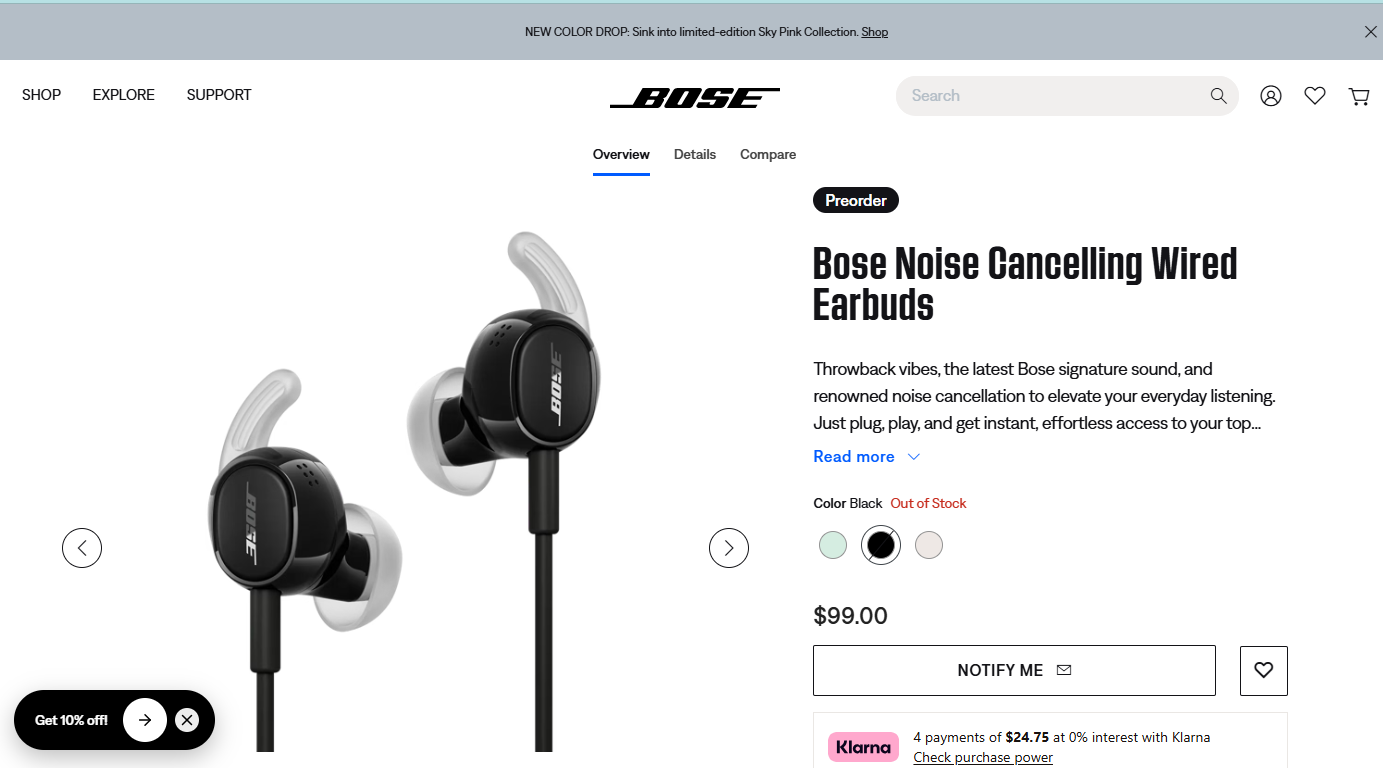
Bose noise-cancelling wired earbuds are an option for consumers who value convenient audio connectivity, comfortable listening, and reduced background noise. Before purchasing, buyers should verify the exact model because connectivity, active noise cancellation, microphone functionality, and device compatibility can vary between products. This review explores the important features to consider, potential advantages and limitations, and factors that can help shoppers decide whether a particular Bose earbud model suits their needs.
Introduction
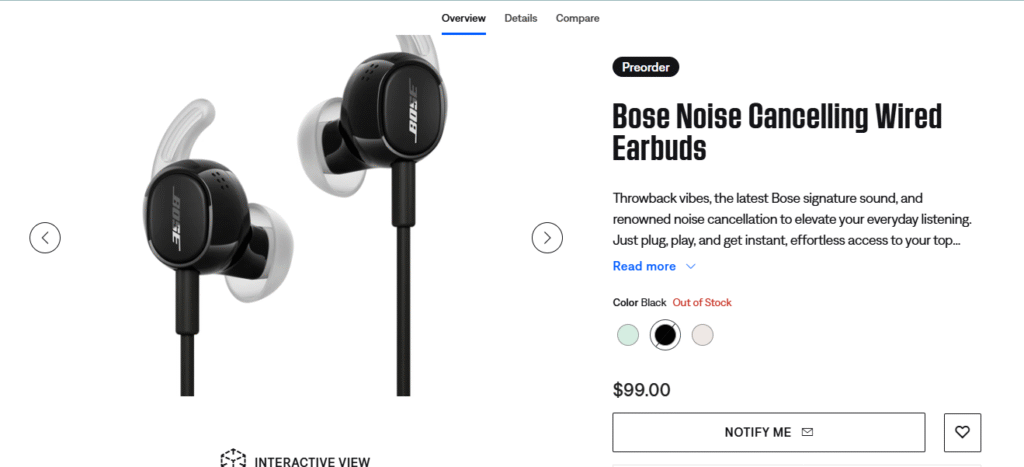
Choosing the right earbuds can improve everyday activities such as listening to music, attending online meetings, watching videos, and enjoying entertainment while travelling. Bose is a recognised audio brand known for developing headphones, earbuds, and noise-control technologies. Its products attract consumers who want to evaluate sound quality, comfort, and usability when selecting personal audio equipment.
Bose noise-cancelling wired earbuds may appeal to listeners who prefer a physical audio connection instead of relying on Bluetooth. However, the precise product name and specifications should always be checked before buying because not every Bose earbud model offers the same features.
Sound Quality and Listening Experience
Sound quality is one of the most important considerations when comparing earbuds. A good listening experience depends on several factors, including bass response, vocal clarity, treble balance, and the ability to reproduce different musical instruments naturally.
Bass is important for genres such as electronic music, hip-hop, and pop. However, excessive bass can sometimes make vocals and other instruments less distinct. Midrange performance affects how clearly listeners hear voices, podcasts, and dialogue, while treble contributes to the perception of brightness and detail.
Different people prefer different sound profiles. Music enthusiasts may prioritise instrument separation and tonal balance, whereas people who primarily listen to podcasts may value speech clarity. Buyers should consider their listening preferences instead of assuming that a premium brand automatically guarantees the perfect sound.
Noise Cancellation and Noise Isolation
Noise cancellation is another important feature to investigate when purchasing Bose earbuds. Active noise cancellation uses microphones and electronic processing to reduce certain environmental sounds. Passive noise isolation, by comparison, depends primarily on the physical seal created by the ear tips.
These technologies are related but different. Active noise cancellation may help reduce steady background sounds, while a suitable ear-tip fit can limit the amount of outside noise entering the ears. Neither approach guarantees complete silence.
The exact noise-control capabilities depend on the model. Therefore, buyers should confirm whether the product includes active noise cancellation or primarily provides passive isolation. This distinction is especially important when comparing marketplace listings that use similar product descriptions.
Design, Comfort, and Build Quality
Comfort can significantly influence the overall listening experience. Earbuds that fit securely are generally easier to use during everyday activities, while an unsuitable fit may cause pressure or allow unwanted external sound to enter.
When evaluating a particular Bose model, check the included ear-tip sizes, housing design, cable construction, and available storage accessories. A suitable fit should feel secure without creating excessive discomfort.
Wired earbuds also require some attention to cable management. The cable can become tangled or catch on clothing, and repeated pulling may eventually damage the connector. Storing the earbuds carefully and avoiding sharp bends can help reduce unnecessary wear.
Build quality should be assessed through reliable product specifications, independent reviews, warranty information, and genuine user feedback rather than assumptions based solely on the brand name.
Connectivity and Device Compatibility
Wired earbuds can be convenient because they do not require Bluetooth pairing to transmit audio. However, compatibility depends on the connector and the connected device.
Some products use USB-C, while others may use a traditional audio plug or another connection type. A USB-C connector does not automatically guarantee compatibility with every smartphone, tablet, or computer. The device must support the required audio functionality, and an adapter may be necessary in certain situations.
Before ordering, confirm the connector type, microphone support, inline-control functionality, and any additional requirements. These checks can help prevent compatibility problems after delivery.
Microphone Performance and Everyday Use
Earbuds are often used for phone calls, online classes, remote work, and video conferences. For these activities, microphone clarity can be just as important as music playback.
A useful evaluation should consider whether speech sounds natural, whether background noise affects conversations, and whether the microphone works properly with the intended device. Noise cancellation for listening does not necessarily mean that the microphone provides equally effective background-noise reduction.
For people who frequently attend online meetings, checking model-specific microphone tests and compatibility information is recommended.
Advantages and Disadvantages
Potential Advantages
- A physical connection can eliminate the need for Bluetooth pairing.
- Conventional battery-free wired designs do not require separate earbud charging.
- Compact earbuds are convenient to carry.
- A suitable in-ear fit can provide passive noise isolation.
- Wired connectivity may be useful for compatible computers and other audio devices.
Potential Disadvantages
- The cable can restrict movement and become tangled.
- Some devices may require an adapter.
- USB-C compatibility varies across devices and accessories.
- Noise cancellation and microphone features differ by model.
- Premium pricing may not provide the best value for every listener.
These points describe general wired-earbud considerations. The actual advantages and disadvantages of a specific Bose product depend on its verified specifications.
Bose Wired Earbuds vs Wireless Earbuds
The choice between wired and wireless earbuds depends on personal preferences and daily usage.
Wired earbuds can suit people who prefer direct connectivity and do not want to manage Bluetooth pairing. They may also be convenient for desk-based listening with compatible equipment.
Wireless earbuds offer greater freedom from cables and may include features such as charging cases, companion applications, and wireless controls. However, most wireless models require periodic charging.
Neither connection type automatically guarantees better sound quality. Buyers should compare the individual products for comfort, audio performance, microphone quality, noise cancellation, durability, and price.
Buying Guide: What to Check Before Ordering
Before purchasing Bose noise-cancelling wired earbuds, follow these practical steps:
- Verify the exact model: Confirm the official product name and model number.
- Check the specifications: Look for verified information about sound, noise cancellation, microphone functionality, and controls.
- Confirm compatibility: Make sure the connector works with your smartphone, tablet, or computer.
- Compare prices: Evaluate competing products with similar features and warranty coverage.
- Check the seller: Review seller details, product condition, authenticity information, and return conditions.
- Read independent reviews: Look for consistent feedback about comfort, reliability, and actual performance.
Taking these steps can help buyers make an informed decision and avoid paying for features that may not meet their needs.
Frequently Asked Questions
Are Bose noise-cancelling wired earbuds worth buying?
They may be worth considering if the particular model offers the features, comfort, and compatibility you need at a reasonable price.
Do all Bose earbuds have active noise cancellation?
No. Noise-cancellation capabilities vary by model, so check the official specifications.
Can wired earbuds work without Bluetooth?
Yes. Conventional wired earbuds use a physical audio connection, provided the connected device supports the required connection.
Are wired earbuds better than wireless earbuds?
Neither is universally better. Wired models offer physical connectivity, while wireless models provide cable-free convenience.
How can I improve earbud comfort?
Where multiple ear-tip sizes are provided, choose the size that feels secure without causing excessive pressure.
Final Verdict
Bose noise-cancelling wired earbuds may be worth considering for consumers who prefer a physical connection and want a convenient personal audio accessory. The most important buying factors include sound quality, comfort, noise-control capabilities, microphone performance, connector compatibility, and price.
Before making a purchase, verify the exact model and its official specifications. Compare available alternatives and check the seller’s return policy and warranty information. By focusing on practical requirements rather than marketing claims alone, shoppers can choose earbuds that better match their listening habits and budget.

Nikhil Sharma is the author and researcher behind Review Trails, where he shares shopping website reviews, product insights, and scam or legit website analysis. He focuses on providing honest, easy-to-understand information that helps readers make safer and smarter online purchasing decisions.