
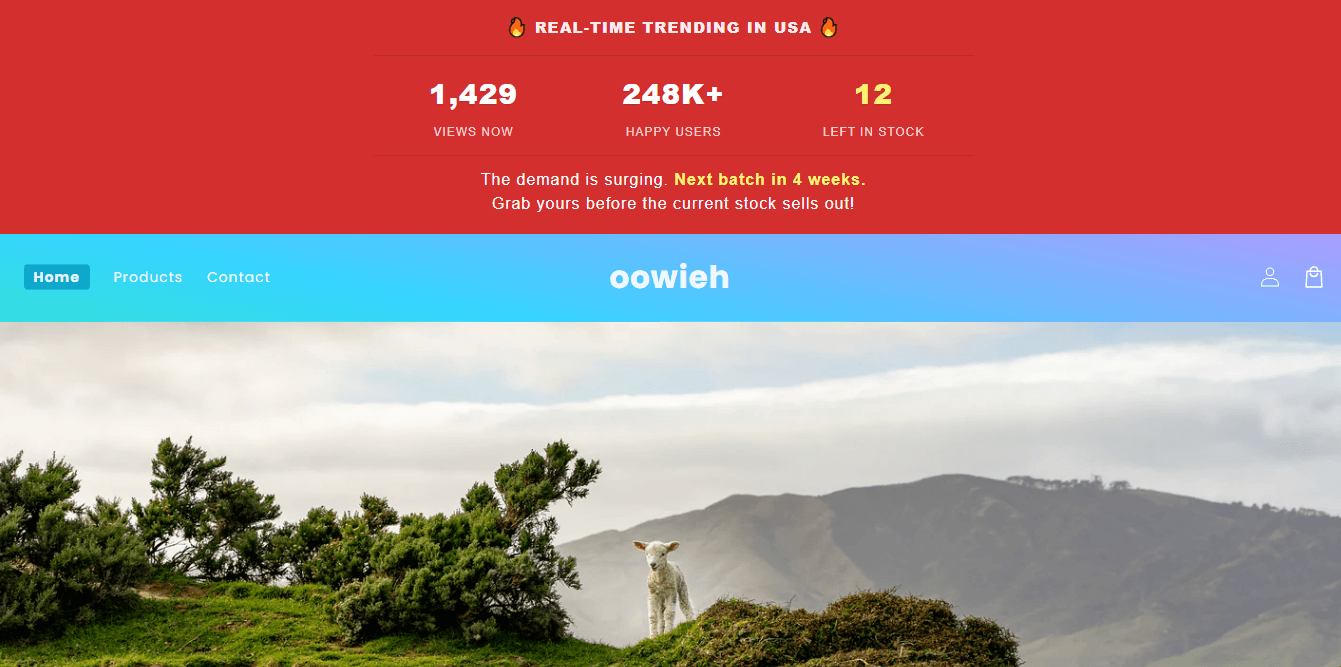
Most online shopping decisions are made in secondsYou land on a website, scroll through a few products, glance at prices, and decide whether it feels trustworthy. Usually, it’s about visuals-design, layout, and product images but sometimes, the real warning signs aren’t visible at first glance sometimes, they show up in small restrictions like not being able to copy content that’s one of the unusual things people notice about Oowieh.com and surprisingly, it says a lot.
Don’t Miss: Snivaro Reviews
A New Website Still Finding Its Ground!
Oowieh.com appears to be a relatively new domain. New websites aren’t automatically risky. Every legitimate business starts somewhere but newness comes with one major limitation-lack of history.
- There’s no long-term customer feedback.
- No proven service record.
- No consistent reputation yet.
So when you visit such a site, you’re not relying on experience- you’re relying on impressions and impressions can sometimes be misleading.
Don’t Miss: Walker Skin Protect Reviews
A Trust Score That Sits in the Middle
The website reportedly has a trust score of around 49 out of 100, that’s not extremely low but it’s not reassuring either.
It places the site in a gray zone. A score like this usually means:
- Some elements appear acceptable
- But several risk factors are present
It’s essentially a signal to proceed carefully rather than confidently.
The Strange Case of Non-Copyable Content
Here’s something that stands out immediately. The website doesn’t allow users to copy its content. At first, this might seem like a minor technical choice. Some websites do restrict copying to protect their material but, in many cases, especially with lesser-known shopping sites, this restriction can serve another purpose.
It prevents users from:
- Searching product descriptions on Google
- Checking if the same content exists elsewhere
- Verifying originality
Why does that matter? Because many unreliable websites reuse product descriptions and images from other sources. If users can easily copy and search that content, they might discover inconsistencies.
Blocking that ability removes a simple verification step and that’s worth noticing.
Missing Identity Behind the Store
One of the most important aspects of trust is knowing who you’re dealing with.
A legitimate business usually provides:
- Company name and registration
- Physical address
- Ownership details
Here at Oowieh, that information is missing.
There are no clear company or brand owner details available.
This creates a major gap in accountability, If something goes wrong, there’s no clear entity to contact or hold responsible.
Unlimited Stock: A Subtle but Important Red Flag
Another interesting detail is the availability of products. The site appears to offer unlimited quantities of certain items.
At first glance, this might seem like a good thing—no “out of stock” issues, no waiting but in reality, it can be a warning sign. Most genuine businesses manage inventory. Even large retailers have limits on stock availability.
When a smaller or lesser-known website shows unlimited availability for a single product, it raises questions:
- Is the stock actually real?
- Or is the listing simply designed to accept as many orders as possible?
This pattern is often associated with unreliable platforms.
A Store That Feels Incomplete
When you combine all these elements, the website starts to feel incomplete.
It may look functional on the surface, but important pieces are missing:
- No company or owner details
- Limited transparency
- Restrictions on content verification
- Unusual product availability patterns
These gaps don’t always confirm a problem but they reduce confidence.
Why It Still Looks Convincing
Despite these concerns, the site may still appear normal to many users.
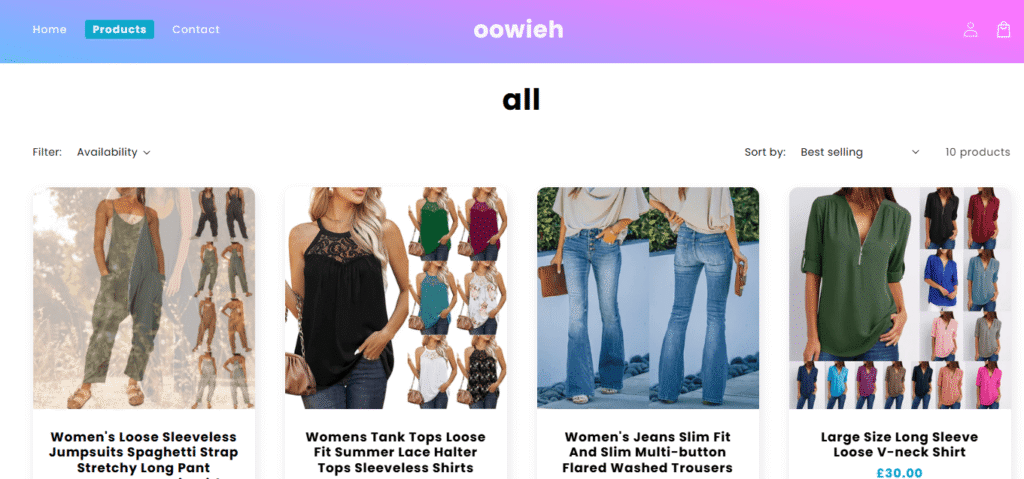
That’s because it likely focuses on:
- Clean product listings
- Simple navigation
- Attractive pricing
These elements create a sense of familiarity. They make the experience feel like any other online store but familiarity doesn’t always equal reliability.
What You Might Be Overlooking
When browsing such a site, it’s easy to focus on the obvious things—price, design, and product images but the real risks often lie in what’s missing:
- No clear identity
- No easy verification
- No strong trust signals
These are the details that matter after the purchase not before it.
Possible Risks to Consider
Shopping from a platform with multiple concerns can lead to different outcomes:
- You might receive a product that doesn’t match expectations.
- Your order could be delayed—or never delivered.
- Customer support may be limited or unavailable.
- Refund processes could be unclear or difficult.
- Your payment experience may not be fully secure.
Even one of these issues can turn a simple purchase into a frustrating situation.
A Smarter Way to Evaluate Such Websites
You don’t need to avoid every new or unfamiliar store but you should approach them carefully.
Here are a few things to keep in mind:
- Check if the business provides clear ownership details.
- Look for independent reviews or mentions online.
- Be cautious if basic actions—like copying content—are restricted.
- Pay attention to unrealistic product availability.
- Avoid rushing into purchases based only on price.
These small checks can help you make better decisions.
Final Thoughts: A Website That Raises More Questions Than Answers
Oowieh.com may look like a simple online shop at first glance but once you start paying attention to the details, the trust score, the lack of transparency, the restricted content, and the unusual product listings—it becomes clear that there are several unanswered questions and in online shopping, unanswered questions often mean uncertainty.
One Simple Rule
If a website makes it harder for you to verify information, that’s not a coincidence, It’s a signal and sometimes, the smartest decision is to listen to that signal.

Nikhil Sharma is the author and researcher behind Review Trails, where he shares shopping website reviews, product insights, and scam or legit website analysis. He focuses on providing honest, easy-to-understand information that helps readers make safer and smarter online purchasing decisions.