
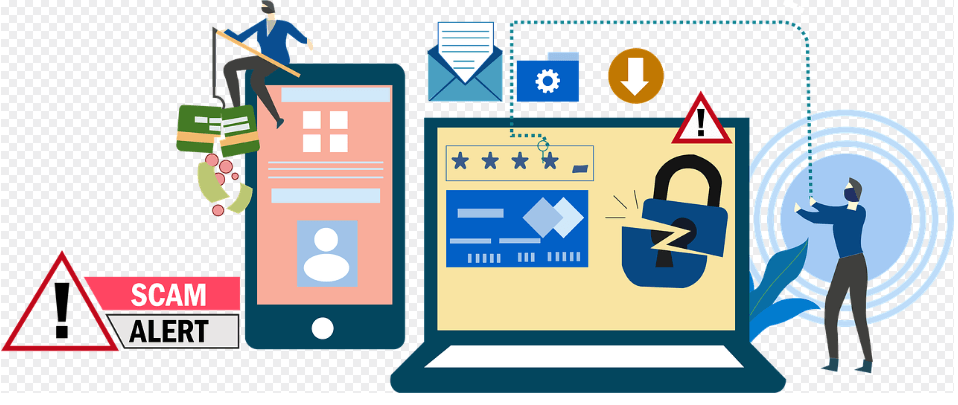
Unlike the obvious frauds of the past, modern scams are subtle, well-designed, and often difficult to detect. Many scam websites today look just like legitimate businesses, making it easy for even careful users to fall into traps. How to Identify Online Scams in 2026, Come Let’s Check…
This guide is not just about listing warning signs. It’s about helping you develop a mindset — a way of thinking that allows you to recognize scams before they affect you.
Understanding the Nature of Online Scams
Before learning how to identify scams, it’s important to understand how they work.
Most scams are not random. They are carefully designed to exploit human behavior. Instead of relying on technical tricks, scammers often focus on psychological triggers like urgency, trust, fear, and greed.
For example:
- A fake sale that ends “in 2 hours”
- A message claiming your account will be blocked
- A deal that seems too good to miss
These are not accidents, they are strategies. Once you understand this, you stop reacting emotionally and start thinking logically — which is your biggest defense.
The “Too Good to Be True” Rule Still Applies
One of the oldest rules is still one of the most effective. If something feels unusually cheap or highly rewarding, pause for a moment.
Legitimate businesses operate on profit. If a website is offering products at prices that seem unrealistic, there is usually a reason behind it — and that reason is rarely in your favor.
This doesn’t mean every discount is fake. But extreme or consistent discounts across all products should make you question the authenticity of the offer.
Look Beyond Design – Appearance Can Be Deceptive
Many people judge a website based on how it looks. A clean layout, attractive images, and smooth navigation can create a strong sense of trust. But here’s the reality: building a good-looking website is easier than ever.
Scammers often copy designs from real brands or use professional templates. So instead of focusing only on appearance, look for deeper signs:
- Is there a clear company identity?
- It’s Owner Details
- Does the website explain who they are?
- Can you find real information about the business outside the website?
A genuine business leaves a digital footprint. A fake one usually doesn’t.
Check Domain Age and History
One of the simplest but most overlooked steps is checking how old a website is.
New websites are not automatically scams, but they do carry higher risk. Many fraudulent sites are created quickly, used for a short period, and then abandoned.
If a website claims to be a well-established brand but its domain was registered recently, that’s a contradiction you shouldn’t ignore.
Pay Attention to Contact Information
Legitimate businesses make it easy for customers to contact them.
Look for:
- A physical address
- A working email
- A customer support system
But don’t stop there — verify it.
Sometimes scam websites list fake addresses or non-functional contact details. A quick search can reveal whether the information is real or just a placeholder.
You Can Also Check: Edenlabs Castor Oil Reviews
Customer Reviews – Quality Matters More Than Quantity
Reviews can be helpful, but only if they are genuine. Instead of looking at the number of positive reviews, analyze their quality:
- Do they sound natural or repetitive?
- Are they overly perfect?
- Are there detailed experiences or just generic praise?
Also, check reviews outside the website. Independent platforms often give a more balanced view. A complete lack of reviews can be just as concerning as overly positive ones.
Understand Payment Risk
The way a website handles payments can tell you a lot about its reliability.
Be cautious if:
- Only prepaid options are available
- No secure payment gateways are used
- There is pressure to pay quickly
Safer payment methods offer some level of protection. If a website discourages those methods, it’s a sign to reconsider.
Watch for Urgency Tactics
Scammers often create a sense of urgency to push quick decisions.
You might see:
- “Only 3 items left”
- “Offer expires in 10 minutes”
- “Flash sale ending now”
While these tactics are also used in real marketing, scam websites tend to overuse them.
The goal is simple: prevent you from thinking. Whenever you feel rushed, slow down. Urgency is often where mistakes happen.
Check for Consistency Across the Website
In many scam websites, small inconsistencies reveal the truth.
Look for:
- Mismatched product descriptions
- Poor grammar or unusual wording
- Conflicting information in different sections
These may seem minor, but they often indicate a lack of professionalism or authenticity.
Social Media Presence – Real or Just for Show?
A genuine brand usually has an active presence on social media platforms.
Check:
- Are posts regular and engaging?
- Do users interact with the brand?
- Are there real comments and discussions?
A page with thousands of followers but no interaction is a red flag. It may have been artificially created to look trustworthy.
Trust Your Instincts – But Support Them with Logic
Sometimes something just feels off. Maybe the website looks fine, but you still feel uncertain. That instinct is important — but it should be backed by logical checks.
Instead of ignoring the feeling, investigate:
- What exactly seems unusual?
- Can you verify the information?
- Are there contradictions?
Combining instinct with analysis makes your judgment much stronger.
Common Types of Online Scams
Understanding common scam types helps you recognize patterns faster.
Fake E-commerce Stores
These sites offer products at attractive prices but fail to deliver or send low-quality items.
Phishing Websites
Designed to steal personal or financial information by mimicking trusted platforms.
Subscription Traps
You think you’re making a one-time purchase, but you’re actually signing up for recurring charges.
Giveaway or Prize Scams
Claim you’ve won something and ask for payment or personal details to “claim” it.
How Scammers Build Trust Quickly
Scammers don’t rely on one trick. They combine multiple strategies:
- Professional website design
- Fake reviews
- Emotional storytelling
- Limited-time offers
This combination creates a powerful illusion of legitimacy. Recognizing this pattern helps you break that illusion.
What to Do If You Suspect a Scam
If something feels wrong, don’t ignore it.
Take these steps:
- Stop the transaction immediately
- Avoid sharing personal details
- Look for independent verification
- Warn others if necessary
If you’ve already made a payment, contact your bank or payment provider as soon as possible.
Building a Safer Online Habit
Avoiding scams is not about being perfect — it’s about being aware.
Develop habits like:
- Double-checking unfamiliar websites
- Avoiding impulsive decisions
- Researching before purchasing
Over time, these habits become automatic and greatly reduce your risk.
Final Thoughts
Online scams are not going away anytime soon. In fact, they are becoming more advanced and harder to detect.
But the good news is this:
You don’t need to be an expert to stay safe.
You just need to be:
- Observant
- Patient
- Willing to question what you see
The internet rewards convenience, but safety comes from awareness.
And once you develop that awareness, you don’t just avoid scams — you navigate the digital world with confidence.
Also, Check: Bluvolt.shop Review