
Imagine waking up one day and realizing your bank account is empty not because you spent the money, but because someone tricked you online. Sounds scary? Unfortunately, this is becoming a reality for thousands of people every day. In 2026, online scams are no longer easy to spot. Scammers are using smarter techniques, fake identities, and even trusted-looking platforms to deceive users. From fake job offers to phishing messages and scam websites, the risks are everywhere. The worst part? Most victims don’t even realize they’re being scammed until it’s too late that’s why awareness is more important than ever.
In this article, we’ll break down the latest online scams you should avoid in 2026, how they work, and the simple steps you can take to protect yourself before it’s too late.
Also, Check: How to Identify Online Scams in 2026 – A Practical Guide!
Why Online Scams Are Increasing
Online scams are rising because more people are using digital platforms, payments are now faster and easier, personal data is widely available online, and scammers use advanced tools and automation.
Scammers rely on urgency, fear, and greed to trick users. If you understand their tactics, you can easily avoid becoming a victim.
1. Fake Job Offer Scams
You apply for a job online, get selected within hours, and receive an offer letter without even giving an interview. It feels like a dream come true until they ask you to pay a “registration charges.” By the time you realize it’s a scam, the money is already gone.
Fake job offer scams are one of the fastest-growing online frauds in 2026, targeting job seekers who are simply looking for an opportunity.

How it works:
Scammers post fake job listings on websites or social media platfortms. Once you apply, they contact you pretending to be recruiters. They may ask for registration fees, training charges, and personal details.
Red Flags:
- Asking for money before hiring
- No proper company website
- Unprofessional communication
How to stay safe:
- Never pay for a job
- Verify the company online before trusting
- Check official email domains
2. Phishing Emails & Messages

A single click on the wrong link can cost you your entire account. Phishing emails and messages are designed to look real, but their only goal is to steal your personal information.
How it works:
You receive emails or messages that look like they are from banks, companies, or services. They ask you to click a link and mention your details.
Red Flags:
- Sends Urgent messages like “Your account will be blocked”
- Suspicious links
- Unknown sender
How to stay safe:
- Never click unknown links
- Check sender email carefully
- Always visit official websites directly
3. Fake E-commerce Websites

You find a branded product online at 80% discount. The website looks professional, the deal feels irresistible, and you quickly place your order but days pass… no delivery, no response — and suddenly, the website disappears. Fake e-commerce websites are one of the most common online scams in 2026, trapping users with deals that seem too good to ignore.
How it works:
Scammers create fake shopping websites offering huge discounts. Once you pay, either you receive fake/low-quality products or nothing at all
Red Flags:
- Unrealistic discounts (70–90%)
- No contact information
- No customer reviews
How to stay safe:
- Check website reviews
- Avoid prepaid payments on unknown sites
- Look for HTTPS and proper details
4. Investment & Crypto Scams

You invest a small amount and within days, your dashboard shows huge profits. It feels exciting — like you’ve finally found a smart way to earn money online but when you try to withdraw, your account suddenly gets blocked… and the platform disappears. This is how investment and crypto scams are trapping thousands of people in 2026.
How it works:
You are promised high returns in a short time. Scammers create fake platforms or apps to show fake profits.
Red Flags:
- Guaranteed returns
- Pressure to invest quickly
- No legal registration
How to stay safe:
- Avoid “get rich quick” schemes
- Research before investing
- Use trusted platforms only
5. Social Media Giveaway Scams

You come across a post claiming you’ve won a brand new smartphone or a cash prize. All you need to do is click a link or pay a small “processing fee” to claim it. It feels exciting until you realize there was never any giveaway at all. Social media giveaway scams are rapidly increasing in 2026, targeting users with fake promises and attractive rewards.
How it works:
Fake pages or accounts promise giveaways like phones, cash, or gift cards. To claim the reward, you may need to reveal personal details, pay a small fee, and click suspicious links.
Red Flags:
- Too good to be true offers
- Fake followers
- No official verification
How to stay safe:
- Verify official pages
- Avoid sharing personal data
- Ignore suspicious giveaways
6. OTP & Banking Fraud
You receive a call from someone claiming to be from your bank. They sound professional and warn you about suspicious activity on your account. To “secure” your account, they ask for a simple OTP. Within minutes, your money is gone. This is how OTP and banking fraud scams are fooling people every day in 2026.
How it works:
Scammers call or message pretending to be bank officials. They ask for OTPs or sensitive details.
Red Flags:
- Asking for OTP or PIN
- Urgent tone
- Unknown numbers
How to stay safe:
- Never share OTP with anyone
- Banks never ask for such details
- Block suspicious callers
7. Remote Work / Task Scams

You’re offered a simple online job — just like videos, complete small tasks, and earn money daily. It sounds easy, and at first, you even receive a small payment. To continue earning, you’re asked to deposit money… and that’s when the scam begins.
Remote work and task scams are rapidly increasing in 2026, targeting people looking for quick and easy income online.
How it works:
You are offered easy online tasks (like liking videos or writing reviews) and promised daily income.
Initially, you may receive small payments to build trust. Later, they ask you to deposit money.
Red Flags:
- Easy money with no effort
- Asking for deposits
- No clear company details
How to stay safe:
- Avoid such offers
- Research platform before joining
- Never invest in unknown tasks
8. Fake Customer Support Scams

You search online for a customer care number to resolve an issue. You find one, call it, and the person on the other end sounds professional and helpful. They ask you to install an app or share some details to “fix the problem” Within minutes, your data and sometimes even your money is compromised. This is how fake customer support scams are tricking users in 2026.
How it works:
Scammers create fake customer care numbers or websites. When you contact them, they:
- Ask for remote access
- Steal data or money
Red Flags:
- Numbers found on random websites
- Asking to install apps
- Requesting sensitive info
How to stay safe:
- Use official websites only
- Never share screen access
- Verify contact details
9. Romance & Dating Scams

You meet someone online who seems perfect, caring, understanding, and always there for you. Within days, the connection feels so real and emotional then one day, they share a problem and ask for financial help, you trust them and send the money but soon after, they disappear and you realize the relationship was never genuine.
This is how romance and dating scams are emotionally and financially trapping people in 2026.
How it works:
Scammers build emotional connections on dating apps or social media. After gaining trust, they ask for money.
Red Flags:
- Quick emotional attachment
- Avoiding video calls
- Asking for financial help
How to stay safe:
- Don’t trust easily
- Avoid sending money
- Verify identity
10. Fake Apps & APK Scams
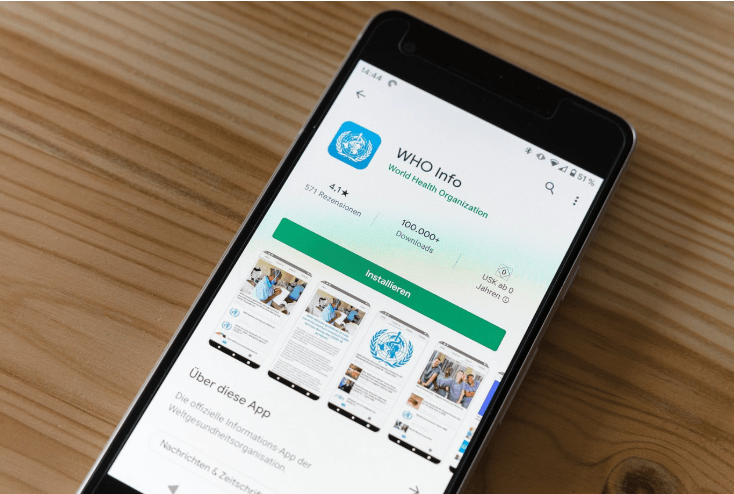
You download an app that promises easy earnings or premium features without any charges. It looks legit, works fine at first, and even shows results but in the background, it’s collecting your data or worse, gaining access to your accounts by the time you realize something is wrong, the damage is already done.
This is how fake apps and APK scams are targeting users in 2026.
How it works:
Scammers create fake apps that look real. Once installed, they:
- Steal data
- Show fake earnings
- Hack accounts
Red Flags:
- Not available on official stores
- Poor reviews
- Too many permissions
How to stay safe:
- Download apps from trusted sources
- Check reviews
- Avoid unknown APK files
Common Tricks Used by Scammers
Scammers don’t just rely on technology — they rely on human emotions. They generate urgency, trigger fear, and exploit greed to push you into making quick decisions without thinking. By the time you realize what’s happening, it’s already too late.
Scammers use psychological tactics such as:
- Urgency (“Act now!”)
- Fear (“Your account will be blocked”)
- Greed (“Earn ₹5000 daily”)
Understanding these tricks helps you stay alert and safe.
How to Protect Yourself from Online Scams
Online scams are becoming smarter every day but the best news is, safeguarding yourself doesn’t require technical expertise. With the proper awareness and a few simple habits, you can avoid most scams before they even begin. The key is not just knowing that scams exist, but knowing exactly how to stay one step ahead of them.
Here are some essential tips:
- Always verify before trusting
- Never share personal or financial details
- Avoid clicking unknown links
- Use strong passwords
- Enable two-factor authentication
- Keep your devices updated
What to Do If You Get Scammed
Realizing that you’ve been scammed can be overwhelming. Panic, confusion, and fear, it all hits at once but what you do in the next few minutes can make a huge difference. Acting quickly can help you minimize the damage, protect your accounts, and even recover your money in some cases.Quick action can reduce damage.
If you become a victim:
- Contact your bank immediately
- Change passwords
- Report the scam
- Inform authorities
- Monitor your accounts
Final Thoughts
Online scams are evolving rapidly, but awareness is your strongest defense. By staying informed and cautious, you can protect yourself and others from falling into these traps. Remember, if something feels too good to be true, it probably is. Always take a moment to verify before making any decision online.
FAQs
Still have questions about online scams? Here are some of the most frequently asked questions that can help clear your doubts and give you a better understanding of how these 2026 scams work and how to stay protected from these scams.
Q1. What is the most common online scam in 2026?
Phishing and fake job scams are among the most common.
Q2. Can I recover money lost in scams?
Sometimes, if reported quickly. Contact your bank immediately.
Q3. How do I check if a website is safe?
Look for HTTPS, reviews, and proper contact details.
Q4. Are all online earning apps scams?
No, but many are. Always research before using any earnings-apps.
Conclusion
Staying safe online requires awareness, patience, and smart decision-making. Scammers rely on quick reactions — but if you stay calm and verify information, you can easily avoid them.
Make it a habit to double-check everything before trusting any online offer. Your safety depends on your awareness.
Also, Check This Review: Walker Skin Protect Reviews