
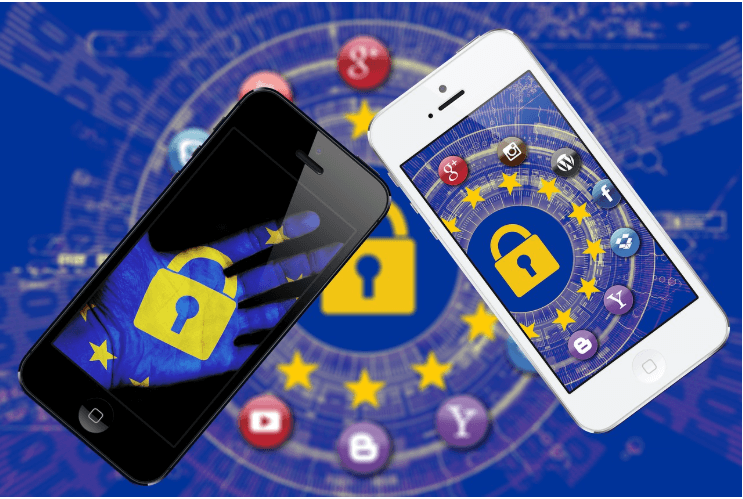
Think about how many times a day you use your phone. You text friends, post photos, order food, use maps, shop online, and scroll through social media without even thinking twice. The internet has become such a normal part of life that most people rarely stop to ask an important question:
How much of my personal information am I giving away every single day?
The truth is, every click, photo, location tag, and online signup leaves behind digital information. Sometimes we share personal details intentionally, and other times we reveal them without even realizing it. Things like our home address, phone number, live location, and daily routine can quietly become visible to strangers, companies, or even cybercriminals.
Don’t Miss: Safe Downloading and Avoiding Suspicious Files
Many people assume online privacy only matters to celebrities, politicians, or wealthy individuals. But that is not true at all. Every person’s information has value. In today’s digital world, personal data is like digital currency. The more information someone has about you, the easier it becomes to track, target, manipulate, or scam you.
That is why protecting personal data is no longer just a technical issue—it is a life skill.
Understanding Personal Data:
Personal data is any information that can identify you. Some examples include:
- Your full name
- Phone number
- Home address
- Email address
- Photos and videos
- School or workplace information
- Bank details
- Live location
Even small details that seem harmless can become dangerous when combined together. For example, if someone knows your name, school, and city, they may already know enough to search for more information about you online.
Most people share information casually because social media makes it feel normal. Posting selfies, checking into locations, or uploading travel updates feels harmless and fun. But oversharing can slowly expose your private life to people you do not know.
The internet never truly forgets. Once something is uploaded, it can be copied, saved, shared, or misused within seconds.
Why Protecting Personal Data Is Important?
Privacy is not about hiding secrets. It is about having control over your life and your information.
When personal data falls into the wrong hands, it can lead to serious consequences such as:
- Identity theft
- Financial scams
- Cyberbullying
- Harassment
- Blackmail
- Stalking
- Hacking
Many people only realize the importance of privacy after becoming victims themselves.
For example, imagine someone accidentally shares their phone number publicly online. Soon they start receiving spam calls, scam messages, and fake verification codes. In more serious situations, hackers may use that number to access accounts connected to banking or social media.
Similarly, sharing your location in real time can tell strangers where you are, where you live, or when your home is empty.
Protecting personal data is not about fear—it is about staying safe and aware.
The Danger of Sharing Your Address Online:
Your home address is one of the most sensitive pieces of information you have. It reveals where you live, where your family stays, and often where you spend most of your time.
Unfortunately, many people expose their addresses without realizing it.
For example:
- Posting photos outside the house
- Sharing delivery screenshots
- Uploading pictures with street signs visible
- Showing packages with shipping labels
At first glance, these posts may seem harmless but someone with bad intentions can use small clues to figure out your exact location.
This becomes especially risky because social media allows information to spread very quickly. Even if your account is private, screenshots and reposts can still expose your data.
Sharing your address online can lead to:
- Stalking
- Harassment
- Fake deliveries
- Identity fraud
- Burglary risks
One common mistake people make is posting vacation pictures while still traveling. It may seem exciting to update followers in real time, but it also tells strangers that your home might currently be empty.
That single post can unintentionally create a security risk.
Why Phone Numbers Need Protection?
A phone number may seem simple, but today it is connected to almost everything in our lives.
Your number is often linked to:
- Banking apps
- Social media accounts
- Email verification
- Messaging apps
- Online shopping accounts
This means your phone number acts like a digital identity key, scammers know this very well.
Many people receive fake calls pretending to come from:
- Banks
- Delivery services
- Government offices
- Technical support teams
These scammers try to create panic or urgency. They may say:
- “Your account has been blocked.”
- “You have won a prize.”
- “Your package could not be delivered.”
The goal is usually to steal personal information or trick people into clicking dangerous links.
Another major threat is SIM swapping. In this type of attack, hackers convince a mobile company to transfer your phone number to a new SIM card. Once they control the number, they may gain access to OTPs, passwords, and accounts connected to it.
That is why sharing phone numbers publicly is risky.
The Hidden Risk of Location Sharing:
Modern apps make location sharing incredibly easy. With just one tap, people can share where they are in real time.
Sometimes this is useful. For example:
- Meeting friends
- Using navigation apps
- Emergency safety tracking
However, many people share their location too openly without understanding the risks.
Apps collect location data constantly. This information can reveal:
- Your daily routine
- Your workplace
- Your favorite places
- Your travel habits
Over time, this creates a detailed map of your personal life.
Live location sharing can become dangerous if strangers or fake online friends gain access to it. It may expose someone to stalking, harassment, or even physical danger.
Social media has also created a culture where people feel pressure to constantly update others about where they are and what they are doing. Many users tag restaurants, malls, airports, schools, and hotels without thinking about privacy.
The problem is not technology itself, the problem is oversharing.
Social Media and Oversharing:
Social media encourages people to share every moment of their lives. Platforms are designed to reward visibility, attention, and engagement.
The more people post, the more attention they often receive.
As a result, many users unknowingly reveal:
- Their routines
- Their relationships
- Their homes
- Their travel plans
- Their personal habits
Young people especially may not fully understand the long-term effects of oversharing.
A simple selfie may contain hidden information such as:
- School uniforms
- Street names
- House numbers
- GPS metadata
Even photos can reveal more than people expect.
Sometimes strangers use this information to create fake identities or emotionally manipulate users online. Cybercriminals often study social media profiles carefully before targeting victims.
That is why online privacy should always be taken seriously.
How to Protect Personal Data?
The good news is that protecting personal information does not always require advanced technical skills. Small habits can make a huge difference.
Think Before Posting
Before uploading anything online, pause and ask yourself:
- Does this reveal personal information?
- Would I share this with a stranger in real life?
- Could this post be misused later?
A few seconds of thinking can prevent major problems.
Use Privacy Settings
Most apps allow users to control:
- Who sees posts
- Who contacts them
- Who views personal details
Many people never check these settings, even though they are extremely important.
Avoid Public Wi-Fi for Sensitive Tasks
Public internet networks are often less secure. Avoid using banking apps or entering passwords while connected to public Wi-Fi.
Create Strong Passwords
Weak passwords are easy to guess. Good passwords should include:
- Letters
- Numbers
- Symbols
Using the same password everywhere is also risky.
Limit Location Access
Many apps request location permission even when they do not need it. Turning off unnecessary location access improves privacy significantly.
Be Careful with Unknown Links
Scam messages often contain fake links designed to steal information. Never click suspicious links from unknown sources.
Digital Privacy Is Everyone’s Responsibility:
One of the biggest misconceptions about online safety is the belief that “it will never happen to me.”
But cybercrime affects ordinary people every day.
Students, parents, workers, and elderly users all face online risks. Criminals often target people who are unaware, distracted, or too trusting.
That is why digital awareness matters so much.
Parents should teach children about online safety early. Schools should include digital literacy education. Friends and family should help each other recognize online risks instead of ignoring them.
Privacy protection is no longer just an IT issue—it is part of everyday life.
Conclusion:
The internet has made life easier in countless ways. It helps people connect, learn, work, shop, and communicate instantly. But convenience always comes with responsibility.
Every photo posted online, every app installed, and every location shared creates a digital footprint. Sometimes those footprints seem small, but together they reveal a surprising amount about who we are and how we live.
Protecting personal data is not about being paranoid or avoiding technology. It is about using technology wisely.
Your address, phone number, and location are pieces of your identity. Once exposed online, controlling them becomes difficult. That is why awareness is your strongest protection.
In the end, online safety begins with simple decisions:
- What you share
- Who you trust
- What you click
- And how carefully you protect your privacy
Because in a connected world, protecting your personal data means protecting yourself.

Nikhil Sharma is the author and researcher behind Review Trails, where he shares shopping website reviews, product insights, and scam or legit website analysis. He focuses on providing honest, easy-to-understand information that helps readers make safer and smarter online purchasing decisions.