
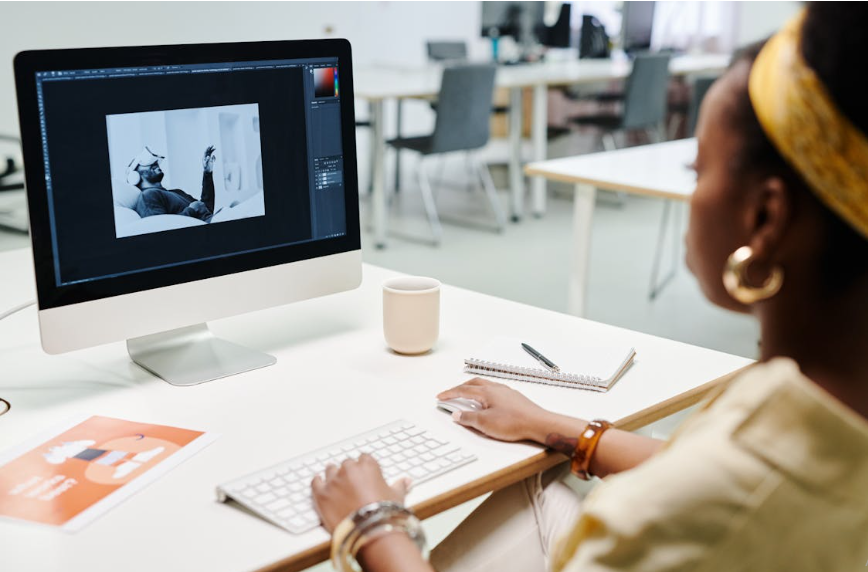
Graphic design has become one of the most important parts of digital content creation. Whether someone is a YouTuber, blogger, social media influencer, business owner, or freelancer, strong visual content plays a major role in attracting audiences online. High-quality graphics help creators build professional brands, increase engagement, and stand out in competitive digital platforms.
Today, content creators need graphics for thumbnails, Instagram posts, YouTube banners, advertisements, logos, presentations, blog images, websites, and marketing campaigns. Fortunately, modern graphic design tools have made professional design more accessible than ever before. Even beginners with no design experience can now create attractive visuals using beginner-friendly software and AI-powered platforms.
Don’t Miss: Essential Affiliate Marketing Tools
Choosing the right graphic design tools can save time, improve creativity, and simplify workflows. Some tools focus on beginner-friendly templates, while others offer advanced professional editing features for experienced designers.
In this guide, we will explore the essential graphic design tools for creators and explain how these platforms help improve content quality, branding, and productivity in 2026.
Why Graphic Design Tools Matter?
Graphic design tools have become extremely important in today’s digital world because visual content plays a major role in attracting attention online. Whether someone is a content creator, blogger, YouTuber, business owner, marketer, or freelancer, strong visuals help communicate ideas more effectively and make content look professional.
People are naturally drawn to attractive images, videos, thumbnails, banners, and social media posts. In highly competitive online platforms, creators often have only a few seconds to grab audience attention. Good design helps content stand out and increases engagement.
Graphic design tools help creators produce professional-quality visuals without needing advanced technical skills. Modern platforms now offer templates, drag-and-drop editing, AI-powered features, and ready-made elements that simplify the design process for beginners and professionals alike.
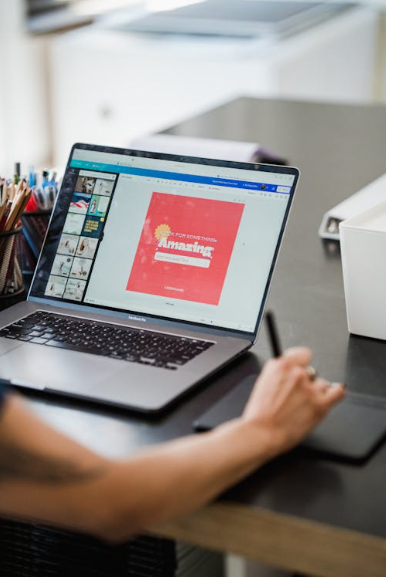
One of the biggest reasons graphic design tools matter is branding. Consistent colors, fonts, logos, and visual styles help creators and businesses build recognizable identities online. Strong branding increases audience trust and makes content more memorable.
Graphic design tools are also important for marketing. Businesses use visual content for advertisements, product promotions, social media campaigns, presentations, websites, and email marketing. High-quality designs often improve click-through rates, audience engagement, and conversions.
Social media growth depends heavily on visual appeal as well. Platforms like Instagram, Pinterest, and YouTube prioritize attractive visual content. Eye-catching thumbnails, posts, and graphics can significantly improve reach and audience interaction.
Graphic design tools also save time and improve productivity. Instead of creating everything manually, creators can use templates, AI suggestions, stock elements, and automation tools to speed up workflows.
Another important benefit is communication. Visuals often explain ideas faster and more clearly than text alone. Infographics, presentations, illustrations, and diagrams help simplify complex information for audiences.
For businesses, graphic design tools improve professionalism. Well-designed websites, logos, brochures, and advertisements create better first impressions and increase customer trust.
Modern AI-powered design platforms are making graphic design even more accessible. AI can now generate layouts, remove backgrounds, suggest color palettes, improve images, and automate repetitive tasks. This allows creators to focus more on creativity and content strategy.
However, tools alone do not guarantee great design. Creativity, understanding of design principles, and audience awareness remain equally important. The best creators combine powerful tools with original ideas and consistent branding.
Overall, graphic design tools matter because they help creators and businesses improve visual quality, communicate more effectively, increase engagement, and build stronger online identities in today’s competitive digital landscape.
1. Canva
Overview
Canva is one of the most popular design tools for creators and beginners worldwide. It offers templates and drag-and-drop editing that simplify graphic design.
Key Features
- Social media templates
- AI image tools
- Background remover
- Logo creation
- Presentation builder
- Brand kits
Advantages
Beginner Friendly
No advanced design skills are required.
Huge Template Library
Templates save time and improve design quality.
Multi-Purpose Tool
Useful for social media, business, and marketing content.
Disadvantages
Limited Advanced Editing
Professional designers may need more advanced software.
Best For
- Social media creators
- Bloggers
- Small businesses
- Beginners
2. Adobe Photoshop
Overview
Adobe Photoshop is one of the most powerful and widely used graphic design tools in the world.
Key Features
- Photo editing
- Layer-based editing
- Advanced retouching
- AI editing tools
- Digital painting
- Graphic manipulation
Advantages
Professional-Level Editing
Industry-standard software for image editing.
Highly Customizable
Supports complex design workflows.
Powerful AI Features
Modern AI tools simplify editing tasks.
Disadvantages
Difficult for Beginners
Requires time to learn properly.
Subscription Costs
Premium software with monthly pricing.
Best For
- Professional designers
- Photographers
- Advanced creators
3. Adobe Illustrator
Overview
Adobe Illustrator is widely used for logo design, vector graphics, and illustrations.
Key Features
- Vector editing
- Logo design
- Typography tools
- Shape creation
- Scalable graphics
Advantages
Best for Vector Graphics
Ideal for logos and illustrations.
Professional Quality
Used widely in branding and design industries.
Scalable Designs
Graphics remain sharp at any size.
Disadvantages
Learning Curve
Can feel complex for beginners.
Premium Pricing
Subscription required.
Best For
- Logo designers
- Branding creators
- Illustrators
4. Figma
Overview
Figma is a modern cloud-based design platform popular for UI/UX and collaborative projects.
Key Features
- Team collaboration
- Interface design
- Prototyping
- Cloud editing
- Real-time feedback
Advantages
Excellent Collaboration
Teams can work together in real time.
Browser-Based
No heavy installation required.
Great for UI Design
Widely used for app and website layouts.
Disadvantages
Internet Dependence
Requires stable online access.
Best For
- UI/UX designers
- Teams
- Web designers
5. Affinity Designer
Overview
Affinity Designer is an affordable alternative to Adobe Illustrator.
Key Features
- Vector design
- Illustration tools
- Typography
- Layer editing
- Professional exports
Advantages
One-Time Purchase
No monthly subscription required.
Strong Performance
Handles professional projects smoothly.
Affordable Alternative
Useful for budget-conscious creators.
Disadvantages
Smaller Ecosystem
Fewer tutorials and plugins than Adobe products.
Best For
- Freelancers
- Illustrators
- Budget creators
6. Procreate
Overview
Procreate is one of the most popular digital drawing apps for iPad users.
Key Features
- Digital painting
- Brushes and textures
- Layer support
- Animation tools
- Hand-drawn illustrations
Advantages
Excellent Drawing Experience
Highly responsive and smooth.
Creative Freedom
Ideal for artists and illustrators.
Affordable Pricing
One-time purchase model.
Disadvantages
Apple Devices Only
Only available on iPad.
Best For
- Illustrators
- Artists
- Creative designers
7. Pixlr
Overview
Pixlr is a lightweight online editing tool suitable for beginners.
Key Features
- Quick photo editing
- Filters and effects
- Background removal
- AI editing tools
Advantages
Easy to Use
Simple interface for quick edits.
Browser-Based
No software installation needed.
Fast Editing
Useful for social media graphics.
Disadvantages
Limited Professional Features
Not ideal for complex projects.
Best For
- Beginners
- Social media creators
- Quick edits
8. CorelDRAW
Overview
CorelDRAW is a professional vector illustration and layout platform.
Key Features
- Vector illustration
- Typography tools
- Page layouts
- Professional printing support
Advantages
Professional Tools
Suitable for advanced design work.
Strong Typography Features
Excellent for branding and print design.
Disadvantages
Expensive Pricing
Premium plans may feel costly.
Steeper Learning Curve
Requires practice and experience.
Best For
- Print designers
- Branding professionals
- Agencies
Important Features to Look For:
Ease of Use
Beginner-friendly tools reduce learning difficulty.
Template Support
Templates speed up workflows.
AI Features
AI tools save time and improve productivity.
Export Quality
High-resolution exports improve professionalism.
Collaboration Tools
Useful for teams and agencies.
Benefits of Using Design Tools Together
Most creators combine multiple tools for better workflows.
Example workflow:
- Use Canva for social media graphics
- Use Photoshop for image editing
- Use Illustrator for logos
- Use Figma for website layouts
- Use Procreate for illustrations
This combination improves flexibility and creativity.
Common Graphic Design Mistakes
Overcomplicated Designs
Too many elements can reduce clarity.
Poor Font Choices
Unreadable typography affects professionalism.
Inconsistent Branding
Mixed colors and styles confuse audiences.
Low-Quality Images
Poor visuals reduce trust.
Ignoring Mobile Design
Many users view content on phones.
Tips for Better Graphic Design
Keep Designs Simple
Minimalist designs often perform better.
Use Consistent Branding
Maintain similar colors and fonts.
Focus on Readability
Clear text improves user experience.
Use High-Quality Images
Professional visuals increase engagement.
Learn Basic Design Principles
Understanding spacing, alignment, and contrast improves quality.
How AI Is Changing Graphic Design
Artificial intelligence is transforming graphic design rapidly.
AI-powered design tools now help creators:
- Generate templates automatically
- Remove backgrounds instantly
- Create AI-generated images
- Suggest layouts and colors
- Improve photo editing
- Automate repetitive tasks
AI helps creators produce professional designs faster than ever before.
Future of Graphic Design Tools
Graphic design tools are evolving rapidly as technology continues to improve. In the future, graphic design is expected to become faster, smarter, and more accessible for creators, businesses, and marketers. Artificial intelligence, automation, cloud collaboration, and immersive technologies are already changing how people create visual content online.
One of the biggest trends shaping the future of graphic design tools is artificial intelligence. AI-powered platforms can already generate layouts, suggest color palettes, remove backgrounds, improve images, and create social media graphics automatically. In the future, AI may become even more advanced, allowing creators to generate complete branding packages, advertisements, illustrations, and website designs with minimal manual effort.
Another major development is automation. Future design tools may automatically resize content for different social media platforms, optimize designs for engagement, and personalize visuals based on audience preferences. This could save creators significant amounts of time and improve workflow efficiency.
Cloud-based collaboration is also expected to become more powerful. Modern teams often work remotely, and future design software will likely improve real-time teamwork features. Designers, marketers, editors, and clients may collaborate together more smoothly from different locations worldwide.
Mobile graphic design tools are becoming increasingly important as well. Many creators now produce content directly from smartphones and tablets. Future mobile apps may offer professional-level editing capabilities that were previously available only on desktop software.
3D design and immersive visuals may also become more common in the future. As virtual reality and augmented reality technologies continue growing, graphic design tools may support interactive experiences, 3D branding, and virtual environments more efficiently.
AI-generated art is another growing trend. Tools powered by generative AI can now create illustrations, concept art, backgrounds, logos, and visual ideas within seconds. While human creativity will still remain important, AI may become a powerful assistant for brainstorming and speeding up design workflows.
Voice-controlled and text-based design systems may also become more popular. Instead of manually creating every element, users may simply describe the design they want using natural language, and AI tools could generate professional visuals instantly.
Personalization will likely play a bigger role in future graphic design tools as well. Platforms may automatically create customized visuals based on audience behavior, demographics, and marketing goals. Personalized content often improves engagement and conversion rates.
Another important future trend is smarter branding systems. Future tools may help businesses maintain consistent colors, fonts, templates, and brand styles automatically across websites, social media, videos, and advertisements.
However, despite these technological advancements, human creativity and originality will remain extremely valuable. Audiences still connect more strongly with authentic ideas, emotional storytelling, and unique creative styles. The best designers in the future will likely combine AI-powered tools with human creativity and strategic thinking.
There may also be challenges in the future of graphic design. As AI-generated visuals become more common, originality and authenticity may become harder to maintain. Designers may need to focus more on creativity, branding, and storytelling to stand out from automated content.
Overall, the future of graphic design tools looks highly innovative and AI-driven. These tools will continue becoming more powerful, accessible, and efficient, helping creators produce professional-quality visuals faster than ever before. Creators who adapt to new technologies and continue developing creative skills may gain major advantages in the evolving digital world.
Final Verdict
Graphic design has become essential for modern creators, businesses, and influencers. Strong visuals improve branding, engagement, and professionalism across all digital platforms.
Tools like Canva, Photoshop, Illustrator, Figma, and Procreate help creators produce high-quality graphics for social media, websites, marketing, and branding. Beginners may prefer simple platforms like Canva or Pixlr, while advanced designers often use Photoshop and Illustrator for professional projects.
Ultimately, the best design tool depends on individual goals, skill level, budget, and creative needs. However, creativity, consistency, and audience understanding remain more important than software alone.
Using the right graphic design tools allows creators to build stronger brands, improve visual quality, and grow successfully in today’s competitive online world.
Frequently Asked Questions
Which graphic design tool is best for beginners?
Canva is one of the best beginner-friendly design platforms.
Is Photoshop better than Canva?
Photoshop is more advanced, while Canva is easier for beginners.
What is the best tool for logo design?
Adobe Illustrator is widely used for professional logo design.
Can AI help graphic designers?
Yes, AI tools improve productivity and automate design tasks.
Which design tool is best for social media creators?
Canva is extremely popular for social media graphics.
Why is graphic design important for creators?
Good design improves branding, engagement, and audience trust.

Nikhil Sharma is the author and researcher behind Review Trails, where he shares shopping website reviews, product insights, and scam or legit website analysis. He focuses on providing honest, easy-to-understand information that helps readers make safer and smarter online purchasing decisions.