

Imagine this, you’re lying in bed casually scrolling through your phone suddenly, your favorite influencer pops up and says, this product completely changed my life- you NEED this! You trust them. You click the link. You buy it. Days later, the product arrives and it’s nothing like what you saw. Cheap quality, no results, and no refund. That moment of realization hits hard, was this a recommendation or a scam?
Don’t Miss: What to Do If Money is Deducted by Scam?
Welcome to the modern digital marketplace, where influencer scams and misleading ads are becoming increasingly common and dangerously convincing.
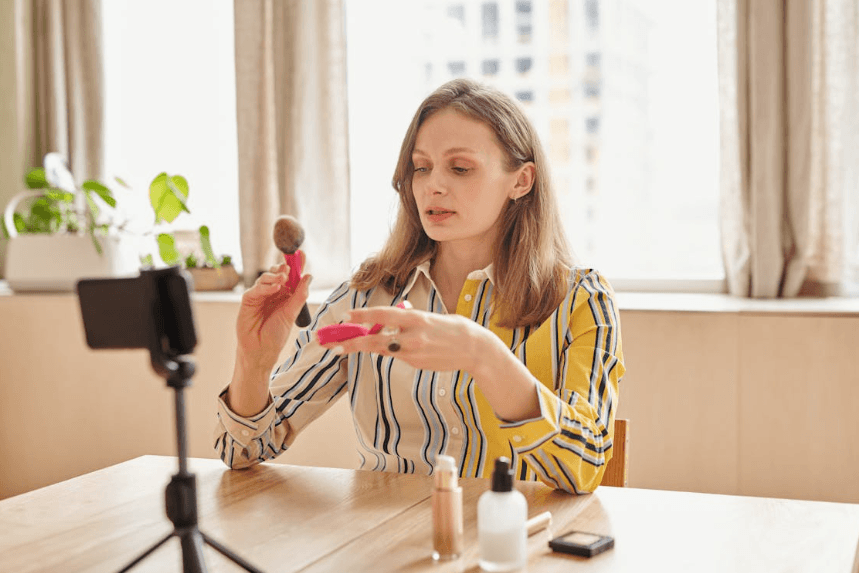
The Rise of Influencer Culture
In the past, brands relied heavily on celebrities for promotion. Today, social media influencers have taken over that role. Platforms like Instagram, YouTube, and TikTok have created a new kind of celebrity one who feels relatable, accessible, and real.
Influencers build their audience by sharing daily life, personal opinions, and experiences. Over time, followers begin to trust them, often seeing them as friends rather than marketers. This trust is powerful and unfortunately, it can also be exploited.
What Are Influencer Scams?
Influencer scams occur when influencers promote products or services in a deceptive or dishonest way. This can happen intentionally or sometimes due to a lack of awareness. These scams typically involve:
- Promoting fake or low-quality products
- Hiding paid partnerships
- Exaggerating product benefits
- Encouraging followers to invest in risky or fraudulent schemes
At their core, influencer scams are about using trust as a tool for profit, often at the expense of the audience.
What Are Misleading Ads?
Misleading advertisements are promotions that give false, exaggerated, or incomplete information about a product or service. They often promise unrealistic results, use edited or filtered visuals, hide side effects or limitations, and present opinions as facts. Examples include:
- Lose 10 kg in 10 days
- This cream will make your skin flawless overnight
- Guaranteed passive income with zero risk
Such claims are designed to grab attention but they rarely reflect reality.
Common Types of Influencer Scams
Fake Product Promotions
Influencers promote products they may never have used. These products often don’t work as advertised, are cheaply made, and differ significantly from what was shown.
Drop-shipping Scams
In this model, products are sourced cheaply from third-party sellers, prices are heavily marked up, delivery is slow, and quality is inconsistent. Customers often end up overpaying for items they could have bought elsewhere for much less.
Investment and “Get Rich Quick” Schemes
Some influencers promote:
- Cryptocurrency investments (e.g., Bitcoin scams)
- Forex trading courses
- Passive income systems
These often promise huge returns with little effort—an immediate red flag.
Giveaway Scams
You’ve probably seen posts like Win a free iPhone, follow, like, and share to enter, these scams may: Collect personal data, Increase fake engagement. and never actually deliver any prize
Fake Reviews and Testimonials
Some influencers script their opinions, use products only for the video, and provide dishonest feedback. The result? Audiences are misled into believing something works when it doesn’t.
Why Do People Fall for These Scams?
Trust and Relatability
Influencers feel like “people like us.” Unlike traditional celebrities, they seem approachable and authentic.
Fear of Missing Out (FOMO)
Phrases like Limited stock and Offer ends tonight, create urgency and push people to act quickly without thinking.
Emotional Marketing
Influencers often tell personal stories like “this product helped me during a tough time, these narratives create emotional connections, making viewers more likely to trust them.
Lack of Awareness
Not everyone understands how digital marketing works. Many people assume recommendations are genuine.
Psychological Tricks Used in Misleading Ads:
Social Proof
Millions of people already love this product!
People tend to follow what others are doing.
Authority Bias
This is recommended by experts!
Even when the “expert” isn’t credible.
Scarcity Principle
Only 5 items left!
This creates panic buying.
Visual Manipulation
Filters, editing, and lighting can dramatically alter how a product appears especially in beauty and fitness ads.
The Role of Social Media Platforms:
Platforms like Meta Platforms (which owns Instagram and Facebook) and Google (which owns YouTube) provide the space where influencer marketing thrives. While these companies have policies that not all content is monitored effectively, misleading ads can still slip through, and enforcement is often inconsistent.
Real-World Impact of Influencer Scams:
Financial Loss
People spend money on products that don’t work.
Emotional Impact
Victims may feel embarrassed, frustrated, and betrayed
Data Risks
Some scams collect personal data, leading to privacy issues or identity theft.
Loss of Trust
Over time, repeated scams reduce trust in influencers and online platforms.
How to Identify Influencer Scams?
Here are warning signs to watch for:
- Unrealistic promises (“instant results”)
- Lack of transparency (#ad or sponsorship not disclosed)
- Too many promotions in a short time
- No independent reviews outside the influencer’s page
- Suspicious links or websites
How to Protect Yourself?
Do Your Research
Search for reviews, customer feedback, and Brand credibility
Check for Disclosure
Legitimate influencers usually mention:
- #ad
- #sponsored
Avoid Impulse Buying
Take time before making a purchase decision.
Verify Sources
Check official websites instead of random links.
Protect Your Data
Never share: OTPs, Passwords, and Sensitive personal information
Ethical Responsibility of Influencers:
Influencers hold power and with that comes responsibility. They should be honest about promotions, test products before recommending, and clearly disclose paid partnerships. Authenticity is what builds long-term trust, not quick profits.
The Future of Influencer Marketing
Influencer marketing isn’t going away. In fact, it’s growing rapidly. But the future depends on:
- Stronger regulations
- Better platform monitoring
- Increased user awareness
As audiences become smarter, influencers will be held more accountable.
Conclusion
Influencer scams and misleading ads are a reflection of both opportunity and risk in the digital age. On one hand, social media has created new ways to connect, share, and discover products. On the other, it has opened doors for manipulation and deception.
The key takeaway is simple: don’t let trust replace critical thinking.
Just because someone you follow recommends something doesn’t mean it’s right for you.
In a world full of filters, edits, and paid promotions, the most powerful tool you have is awareness. Stay informed, stay cautious and most importantly, stay in control of your choices.
Also check: Walker Skin Protect Reviews

Nikhil Sharma is the author and researcher behind Review Trails, where he shares shopping website reviews, product insights, and scam or legit website analysis. He focuses on providing honest, easy-to-understand information that helps readers make safer and smarter online purchasing decisions.