
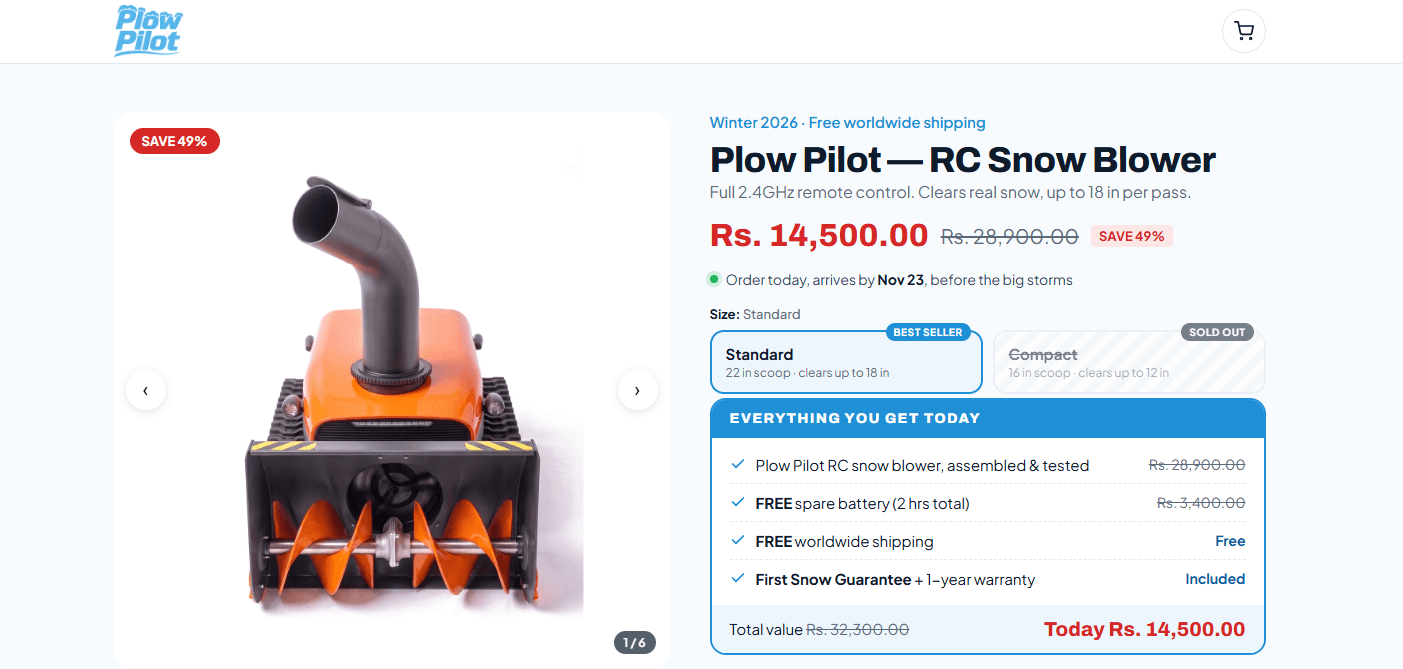
What Is Plow Pilot?
Plow Pilot is a snowplow blade-position reporting system developed by DiCAN Inc. It is designed for municipal governments, road-maintenance departments and commercial winter-service fleets that use vehicle tracking and telematics systems.
Unlike a conventional GPS tracker, Plow Pilot monitors the position of a snowplow blade by reading signals from the vehicle’s operating controls. It sends that information to GPS and automatic vehicle location (AVL) platforms, helping fleet managers understand when a plow is raised or lowered and when actual plowing activity takes place.
The system is designed to improve operational visibility, service documentation, fleet reporting and winter-maintenance accountability. DiCAN promotes it as an in-cab solution that avoids some of the damage and reliability problems associated with exposed external sensors.
Overall verdict: Plow Pilot appears to be a specialised fleet-management tool rather than a consumer snow-removal product. It could be valuable for organisations that need accurate snowplow activity records, but its benefits depend on vehicle compatibility, installation quality and integration with an existing telematics platform. Independent performance data and publicly listed pricing are limited, so fleet managers should request a demonstration and a detailed quotation before purchasing.
What Is Plow Pilot?
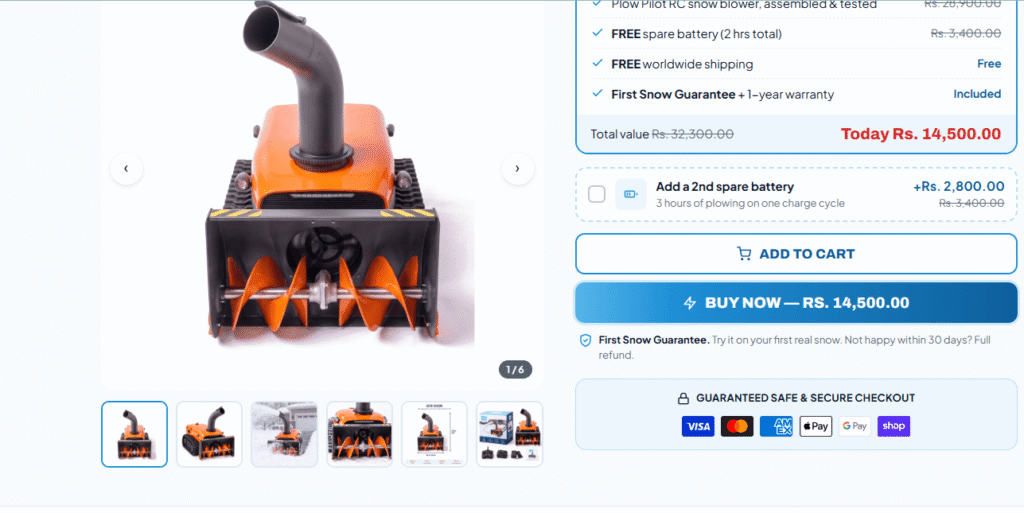
Plow Pilot is a blade-position telematics solution made by DiCAN Inc., a company specialising in commercial fleet safety and equipment technology.
Its main purpose is to give fleet managers reliable information about the working position of snowplow blades. A GPS tracking system can show where a truck travelled, but location data alone cannot confirm whether its blade was down and actively clearing snow.
This creates an important information gap. A vehicle might travel along a road without actually plowing it. Without reliable blade-position information, fleet managers may struggle to verify service activity, review routes or produce detailed maintenance records.
Plow Pilot addresses this problem by capturing signals from the plow’s operating controls and transmitting blade-position information to compatible telematics equipment.
How Does Plow Pilot Work?
Plow Pilot works as an onboard reporting system that connects the snowplow’s controls with a vehicle’s GPS or AVL equipment.
Its operating process can be understood in four steps:
- Connect to the plow controls: The system receives signals associated with blade operation. Depending on the vehicle and configuration, this can involve air-triggered, electric-over-hydraulic or electronic joystick signals.
- Detect blade activity: Its software interprets the control signals to determine the blade’s operating position.
- Transmit information: Plow Pilot sends position information to an external GPS or AVL telematics device.
- Create operational records: Fleet managers can use the transmitted data alongside vehicle location and other fleet information to review snow-removal activity.
This is particularly useful when an organisation needs more than a map showing where its trucks have travelled.
Main Features of Plow Pilot
1. Real-time blade-position reporting
The main feature is its ability to report snowplow blade position through a connected telematics system.
This helps fleet managers distinguish between vehicle movement and actual plowing activity. It can make route reports more meaningful by adding information about what the vehicle was doing.
2. In-cab installation
DiCAN describes Plow Pilot as an in-cab solution. This is an important design choice because equipment installed outside the vehicle can be exposed to snow, ice, road salt, dirt, water and accidental damage.
Keeping the reporting system inside the cab can reduce exposure to harsh operating conditions.
3. Air and electric compatibility
The manufacturer offers configurations for different types of plow controls. Its product information includes air-triggered systems and electric or electronic joystick configurations.
The available options are important because snowplow vehicles do not all use the same control architecture.
4. Telematics integration
Plow Pilot is designed to communicate with external GPS and AVL systems rather than function as a complete fleet-management platform by itself.
The company has also described its availability through the Geotab Marketplace, giving organisations using compatible Geotab systems a potential integration route.
5. Reporting and activity records
By combining blade-position information with vehicle tracking, fleet operators can build more detailed records of winter road-maintenance work.
These records may support operational reviews, service verification, maintenance planning and accountability reporting.
What Are the Benefits of Plow Pilot?
The biggest potential benefit is better visibility into snow-removal operations.
Improved service verification: Managers can review blade activity alongside GPS location data instead of relying only on vehicle routes or operator reports.
Better operational decisions: More detailed information can help supervisors identify missed sections, review route efficiency and understand how vehicles are being used.
Reduced sensor exposure: The in-cab design may reduce the risk of damage associated with external sensors exposed to harsh winter conditions.
More detailed documentation: Municipalities and contractors may benefit from better records when responding to service questions, reviewing complaints or documenting maintenance work.
Potential cost control: Better operational data may help organisations identify inefficient practices and improve the use of fuel, labour and road-treatment materials.
However, these are potential operational benefits, not guaranteed savings. Actual financial results depend on how the organisation uses the information and whether it changes its maintenance processes.
Plow Pilot Reviews: What Is Known About Performance?
Plow Pilot has a specialised commercial market, so it does not have the same volume of consumer reviews as a popular electronic gadget or household product.
The available information is primarily manufacturer documentation, product descriptions, industry coverage and examples of telematics applications.
DiCAN says its system is designed to provide reliable blade-position reporting while avoiding some of the problems associated with exposed sensors. The company also describes the product as patent-protected software that can monitor and archive plow-position information.
Industry coverage has discussed Plow Pilot’s integration with the Geotab Marketplace and its use of control signals to report snowplow activity.
These details establish the product’s intended function and commercial positioning. They do not independently prove a particular accuracy rate, maintenance saving or return on investment.
A fleet considering the product should request customer references, installation examples and performance data from comparable vehicles.
Is Plow Pilot Compatible With Every Snowplow?
No. Compatibility is one of the most important things to confirm before purchasing.
Plow Pilot has different configurations for different control systems. DiCAN’s product catalogue identifies options for electronic joystick controllers, Bosch Rexroth systems, Cirus systems and other configurations.
For example, its PWM programmable modules can monitor one or more plows depending on the controller and configuration.
Before ordering, provide the supplier with:
- Vehicle make, model and year.
- Snowplow make and model.
- Type of hydraulic or electronic control system.
- Number of blades or plows being monitored.
- Existing GPS or AVL equipment.
- Required reporting and integration features.
A supplier should confirm the correct module, harnesses and installation requirements for each vehicle.
Plow Pilot Pricing: How Much Does It Cost?
A reliable public retail price was not available in the product information reviewed.
This is understandable for specialised commercial equipment because final costs may depend on the vehicle configuration, module type, wiring harnesses, installation requirements and telematics integration.
Instead of relying on an estimated price, fleet managers should request a written quotation covering:
- Hardware and module costs.
- Required harnesses and accessories.
- Installation and configuration charges.
- Telematics integration costs.
- Software or ongoing service fees, if applicable.
- Warranty and technical support.
- Replacement and maintenance arrangements.
For a municipality managing multiple vehicles, it is also worth requesting a fleet-wide quotation rather than pricing only one installation.
Is Plow Pilot Legit?
Plow Pilot is an identifiable commercial product from DiCAN Inc., with manufacturer documentation, product-catalogue listings and industry references.
Its purpose is clearly defined: reporting snowplow blade-position information to external fleet telematics systems.
There is no reason to treat it as an ordinary consumer product or an unexplained online offer. However, buyers should distinguish between a genuine product and independently verified performance claims.
Before committing to a purchase, confirm the supplier’s credentials, warranty, integration support and compatibility documentation. Ask for a demonstration using the same type of plow controls and telematics equipment used by your fleet.
Advantages and Disadvantages
| Advantages | Limitations |
|---|---|
| Provides blade-position information | Requires compatible plow controls |
| Designed for telematics integration | Depends on external GPS/AVL equipment |
| In-cab installation reduces exposure | Installation and configuration may be required |
| Supports more detailed service records | Public pricing is not readily available |
| Offers multiple control-system configurations | Independent performance data is limited |
| Potentially improves fleet visibility | Benefits depend on how managers use the data |
Final Verdict: Should Your Fleet Consider Plow Pilot?
Plow Pilot addresses a genuine problem in winter fleet management: knowing where a snowplow travelled is not the same as knowing whether it was actually clearing snow.
By capturing blade-position information from vehicle controls and transmitting it to telematics systems, the product can provide fleet managers with a more complete picture of snow-removal activity.
Its in-cab design, multiple control-system configurations and focus on GPS/AVL integration make it worth considering for municipalities and commercial snow-removal contractors.
However, it is not a universal plug-and-play solution. Compatibility, installation, integration and total ownership costs must be evaluated before purchasing. The manufacturer’s claims about reliability and cost savings should also be validated through a demonstration and references from existing customers.
Our verdict: Plow Pilot is a promising specialised telematics solution for fleets that need better snowplow activity reporting. It is most relevant to organisations already using GPS or AVL systems and looking to improve the accuracy of their winter-maintenance records. Request a vehicle-specific quote and proof of compatibility before making a decision.
Frequently Asked Questions
1. What is Plow Pilot used for?
Plow Pilot reports snowplow blade position to GPS and AVL telematics systems, helping fleet managers monitor and document plowing activity.
2. Who makes Plow Pilot?
It is developed and supplied by DiCAN Inc., a commercial fleet equipment and technology company.
3. How does Plow Pilot detect blade position?
It uses signals from the snowplow’s operating controls, including compatible air-triggered and electronic control configurations.
4. Does Plow Pilot include GPS tracking?
It is primarily a blade-position reporting system designed to work with external GPS or AVL telematics equipment. It is not a complete standalone GPS fleet tracker.
5. Does Plow Pilot work with Geotab?
DiCAN has described Plow Pilot as available through the Geotab Marketplace. Confirm current compatibility and integration requirements with the supplier.
6. Can it monitor more than one plow?
Certain configurations can monitor multiple plows. The number supported depends on the module and control-system setup.
7. Is Plow Pilot suitable for municipal fleets?
Yes. Its intended market includes municipalities, public works departments and commercial winter-maintenance fleets.
8. Does Plow Pilot reduce maintenance costs?
Its in-cab design may reduce exposure-related sensor damage. Actual maintenance savings depend on the vehicle, installation and operating conditions.
9. How much does Plow Pilot cost?
A dependable public price was not identified. Contact DiCAN or an authorised supplier for a configuration-specific quotation.
10. Is Plow Pilot easy to install?
Installation depends on the vehicle’s control system and telematics setup. Confirm whether professional installation and configuration are required.
11. Does Plow Pilot work in harsh winter conditions?
The manufacturer describes it as an in-cab, weather-protected solution designed for winter fleet operations. Ask for warranty and environmental specifications before purchasing.
12. Is Plow Pilot worth buying?
It may be worthwhile for fleets that need accurate blade-position records and already use compatible telematics equipment. Its value should be assessed against installation costs and measurable operational benefits.

Nikhil Sharma is the author and researcher behind Review Trails, where he shares shopping website reviews, product insights, and scam or legit website analysis. He focuses on providing honest, easy-to-understand information that helps readers make safer and smarter online purchasing decisions.