
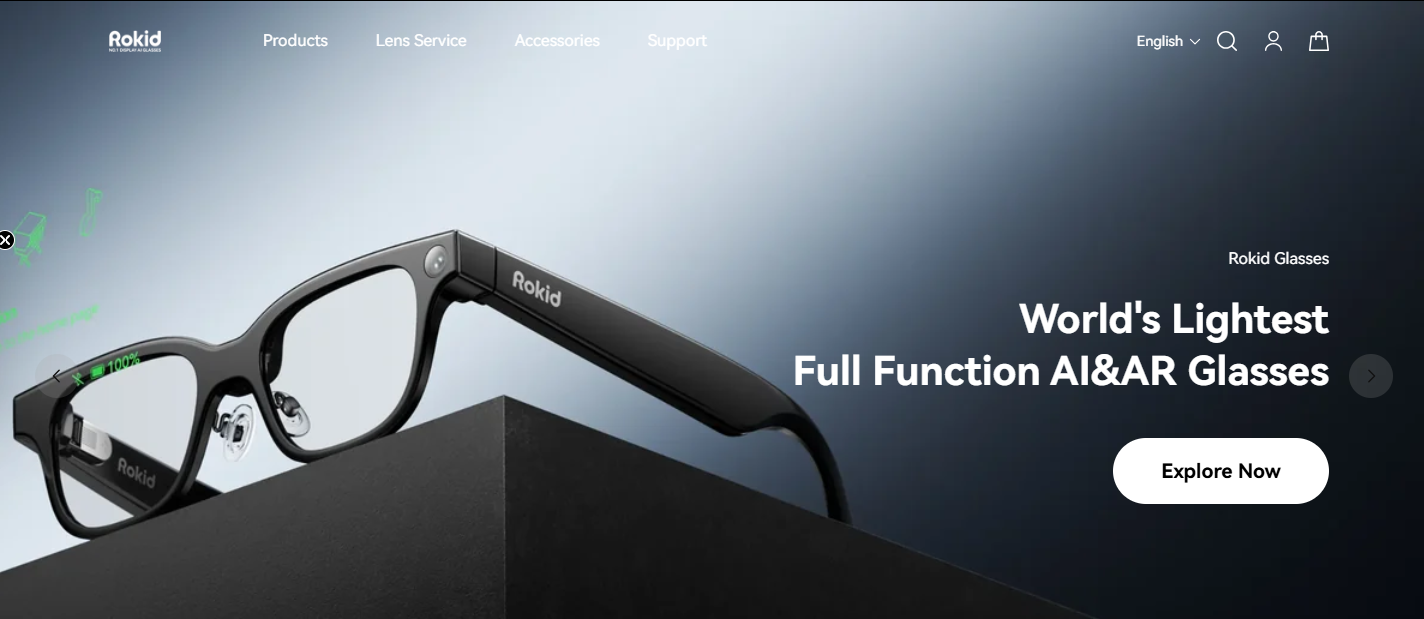
Smart glasses are becoming an increasingly practical way to access artificial intelligence, capture photos, listen to audio, and translate conversations without constantly reaching for a smartphone. One product attracting attention is the Rokid AI Glasses Style, a lightweight pair of AI-powered glasses designed to look and feel more like traditional eyewear than a futuristic gadget.
The Rokid AI Glasses Style combines a first-person camera, voice-controlled AI assistance, open-ear speakers, translation features, and prescription-lens support. But does it deliver a genuinely useful everyday experience, or is it another wearable technology product with more promises than practical benefits?
In this Rokid AI Glasses Style review, we examine its design, specifications, camera performance, AI features, battery life, advantages, limitations, and overall value to help you decide whether it is worth considering.
What Are Rokid AI Glasses Style?
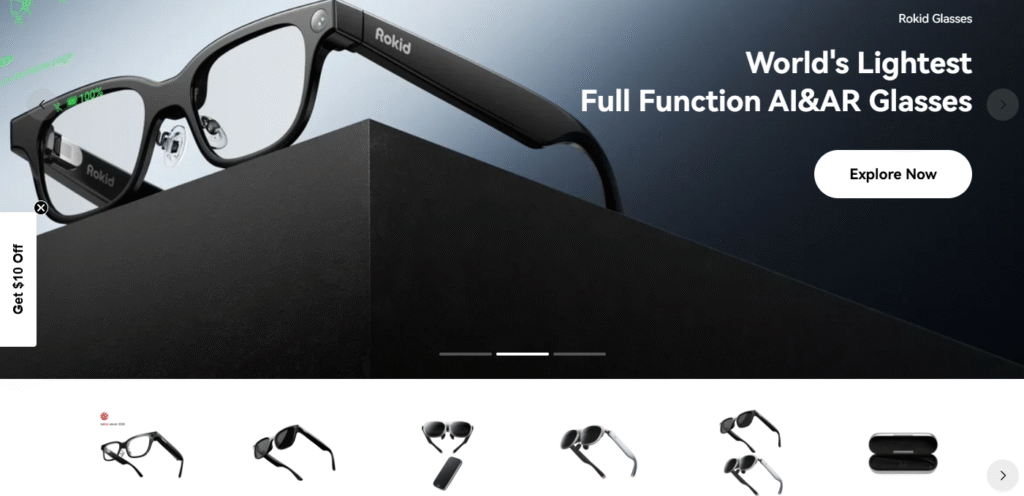
The Rokid AI Glasses Style are display-free smart glasses designed to provide hands-free AI assistance and everyday convenience. Unlike augmented reality glasses that project information directly into your field of vision, this model relies primarily on voice interaction and audio feedback.
Users can speak to the built-in assistant, ask questions about their surroundings, capture first-person photos and videos, listen to audio, make calls, and access translation features.
The glasses connect to a compatible smartphone through the Hi Rokid companion app. According to Rokid, the device supports both ChatGPT and Gemini-based AI experiences, although available functions can depend on software, region, and account configuration.
The official website lists the glasses at $399, with promotional pricing sometimes bringing the price down. Actual prices and availability vary by retailer and country.
Key Features and Specifications
Here is an overview of the main features advertised for the Rokid AI Glasses Style:
- Design: Display-free, traditional eyewear appearance
- Weight: Approximately 38.5 grams without prescription lenses
- Camera: 12MP Sony IMX681 first-person camera
- Video recording: Up to 3K at 30fps, depending on recording mode
- Audio: Dual directional open-ear speakers
- Microphones: Four-microphone directional array
- Storage: 32GB internal flash storage
- Connectivity: Bluetooth 5.3 and Wi-Fi 6
- Water resistance: IPX4 splash resistance
- Battery: Up to 12 hours of typical use claimed by the manufacturer
- Compatibility: iOS 16 or later and Android 12 or later
- Prescription support: Custom lens options advertised from -15.00D to +15.00D
These specifications make the product more than a simple pair of Bluetooth audio glasses. It combines several wearable technologies into one frame, although real-world performance depends on how frequently the camera, microphones, speakers, and AI functions are used.
Design and Comfort: A Major Selling Point
One of the strongest aspects of the Rokid AI Glasses Style is its lightweight construction.
At approximately 38.5 grams before prescription lenses are installed, the glasses are designed for extended everyday wear. The frame uses TR90 material with titanium-alloy hinges, while interchangeable nose pads help accommodate different facial shapes.
The design is available in colors such as Jet Black and Translucent Grey. Its traditional D-shaped frame is intended to look like ordinary eyewear rather than bulky augmented reality equipment.
However, lightweight construction does not automatically mean premium build quality. Some independent reviewers have criticized the frame’s appearance and materials, describing the design as less refined than competing smart glasses.
Fit is also subjective. People with wider or narrower faces may find the frame more or less comfortable, and prescription lenses can change the overall weight.
Verdict: The lightweight design is appealing, but buyers should consider frame dimensions and appearance before purchasing.
Camera Performance: Hands-Free First-Person Recording
The Rokid AI Glasses Style includes a 12MP Sony IMX681 camera designed to capture photos and videos from the wearer’s perspective.
This can be useful when:
- Recording travel experiences without holding a phone.
- Capturing quick photos while walking or exploring.
- Documenting activities that require both hands.
- Taking pictures of objects for AI-assisted identification.
- Recording short first-person video clips.
The manufacturer advertises video recording at resolutions up to 3K at 30 frames per second. The camera also features a wide 109-degree field of view.
One limitation is recording duration: individual recordings are limited to up to 10 minutes according to the published specifications. This makes the glasses better suited to short clips than continuous long-form recording.
The camera also should not be treated as a replacement for a dedicated action camera or modern smartphone camera. Image quality, stabilization, lighting, and framing can vary considerably depending on conditions.
A recording indicator light provides a visible privacy signal when capturing content. Users should still respect local recording laws and obtain consent when appropriate.
AI Assistant and Voice Controls
AI functionality is central to the Rokid experience.
Rather than requiring users to look at a screen, the glasses allow hands-free interaction through voice commands. The manufacturer describes features including:
- Asking general questions.
- Identifying or describing objects.
- Getting assistance with everyday tasks.
- Setting reminders.
- Accessing conversational AI.
- Using translation and transcription functions.
The companion app handles pairing, settings, media management, and software updates.
This approach is particularly useful when carrying a phone is inconvenient. For example, travelers can ask questions about something they are looking at, while people walking or working can access voice assistance without interrupting their activities.
However, the glasses do not have a built-in visual display. AI responses are delivered through audio, so users who want translated subtitles or visual information in their field of view should consider Rokid’s separate display-equipped glasses instead.
AI functionality also depends on software availability, connectivity, and the supported service configuration. Buyers should verify which features work in their country before ordering.
Translation and Travel Features
Translation is another important selling point.
Rokid advertises support for up to 76 languages for the AI Glasses Style, with audio-based translation rather than subtitles displayed in the lenses.
This can be helpful for:
- Understanding basic conversations while traveling.
- Communicating with people who speak another language.
- Getting assistance with unfamiliar phrases.
- Navigating everyday interactions in foreign destinations.
The key limitation is that the Style model does not provide the in-lens translated subtitles available on Rokid’s display-equipped model. Translation also depends on the supported language, connection, app version, and operating conditions.
For frequent international travelers, audio translation can be convenient, but it should not be considered a guaranteed replacement for a professional interpreter.
Audio Quality and Calling Experience
The glasses use dual directional open-ear speakers and a four-microphone array.
Open-ear audio allows users to listen to AI responses, music, and calls while remaining aware of surrounding sounds. This is useful for walking, commuting, and casual everyday use.
The directional speaker design aims to keep sound focused toward the wearer. Nevertheless, open-ear speakers are not completely private. People nearby may hear audio, particularly at higher volume levels.
The microphones include noise-reduction features intended to improve voice capture during calls and voice commands. Performance can still be affected by traffic, wind, crowds, and other background noise.
Anyone expecting the sound quality of premium over-ear headphones should keep expectations realistic. These glasses prioritize convenience and accessibility rather than immersive music listening.
Battery Life and Charging
Rokid advertises up to 12 hours of typical use, which sounds promising for an everyday wearable.
However, battery life depends heavily on what the glasses are doing. Continuous camera recording, calls, translation, AI interaction, and audio playback can consume power more quickly than occasional voice commands.
Independent testing has produced more mixed results. A TechRadar review reported approximately five to six hours in its usage conditions, considerably below the manufacturer’s maximum claim.
Another purchasing consideration is charging. The standard storage case is not necessarily a charging case. Rokid sells an optional charging case separately, listed at $99 on its official product page.
That additional cost is worth considering if you expect to use the glasses throughout long travel days.
Pros and Cons
Pros
- Lightweight design for everyday wear.
- Hands-free AI assistance.
- 12MP first-person camera.
- Video recording up to 3K at 30fps.
- Open-ear speakers for calls and audio.
- Four-microphone array.
- Translation and object-recognition features.
- Prescription-lens support.
- Bluetooth 5.3 and Wi-Fi 6 connectivity.
Cons
- No visual display or in-lens subtitles.
- Battery performance can be lower than advertised.
- Optional charging accessories increase the overall cost.
- Camera recording is limited to short clips.
- Open-ear audio is not completely private.
- Frame design may not appeal to everyone.
- AI features depend on app, connectivity, and regional availability.
Rokid AI Glasses Style vs. Display-Equipped Rokid Glasses
It is important not to confuse the Rokid AI Glasses Style with the separate Rokid Glasses model.
The Style version is designed for traditional eyewear comfort, voice interaction, audio responses, and everyday camera use. It does not include an in-lens display.
The display-equipped Rokid Glasses model adds visual information, including translated subtitles and other productivity-oriented overlays. It is more appropriate for people who want information presented directly in their field of vision.
Choose the Style model if you prefer a simpler, display-free experience. Consider the display-equipped model if visual assistance, subtitles, and teleprompter-style functionality are important to you.
Is Rokid AI Glasses Style Worth Buying?
The Rokid AI Glasses Style is an interesting option for people who want AI assistance integrated into ordinary-looking eyewear.
Its most appealing features are the lightweight design, hands-free camera, voice interaction, open-ear audio, and prescription compatibility. These features can make everyday activities more convenient, especially when traveling, walking, or working.
However, the lack of a display means it cannot provide the same visual experience as more advanced augmented reality glasses. Battery life is another consideration, and the optional charging case can make the total purchase more expensive.
For buyers in India, imported pricing, shipping, customs charges, prescription-lens availability, and warranty support should be checked before ordering. Third-party marketplace prices can vary significantly and may not include the same after-sales support as buying directly from an authorized seller.
Final Verdict: Should You Buy Rokid AI Glasses Style?
The Rokid AI Glasses Style are worth considering if you want lightweight, display-free smart glasses with a camera, voice-controlled AI, translation, and open-ear audio.
They are best viewed as an everyday AI companion rather than a full augmented reality headset. The camera and voice assistant offer useful convenience, while prescription support makes the product more practical for people who already wear glasses.
The biggest drawbacks are variable battery performance, the absence of a visual display, and additional accessory costs.
Overall, the Rokid AI Glasses Style are a promising choice for travelers, technology enthusiasts, and people who want hands-free AI features without wearing bulky equipment. Before purchasing, compare the final price with competing smart glasses and confirm that the AI features you need are supported in your region.
Review note: This article evaluates manufacturer specifications and published independent reviews. It does not claim personal hands-on testing of the product.
Frequently Asked Questions
Do Rokid AI Glasses Style have a display?
No. The Style model is display-free and uses voice interaction and audio feedback. The separate Rokid Glasses model includes a visual display.
Can Rokid AI Glasses Style take photos and videos?
Yes. They feature a 12MP Sony camera and support video recording up to 3K at 30fps, with individual recording sessions limited to up to 10 minutes.
Do these glasses support ChatGPT?
Rokid describes ChatGPT and Gemini-based AI experiences through its software ecosystem. Exact availability and functionality can depend on the app, region, and account configuration.
Are Rokid AI Glasses Style compatible with prescription lenses?
Yes. Rokid advertises prescription support from -15.00D to +15.00D, including progressive options. Confirm compatibility with your exact prescription before ordering.
How long does the battery last?
Rokid advertises up to 12 hours of typical use, but actual battery life depends on usage. Independent testing has reported shorter results under more demanding conditions.
Are Rokid AI Glasses Style waterproof?
They carry an IPX4 rating, meaning they are designed to withstand splashes. They are not intended for swimming or submersion.
Are they better than Ray-Ban Meta glasses?
Neither is automatically better. Rokid emphasizes lightweight design, AI interaction, and prescription flexibility, while Ray-Ban Meta offers its own camera, audio, and software ecosystem. The better choice depends on design preference, phone compatibility, available AI services, and price.

Nikhil Sharma is the author and researcher behind Review Trails, where he shares shopping website reviews, product insights, and scam or legit website analysis. He focuses on providing honest, easy-to-understand information that helps readers make safer and smarter online purchasing decisions.