
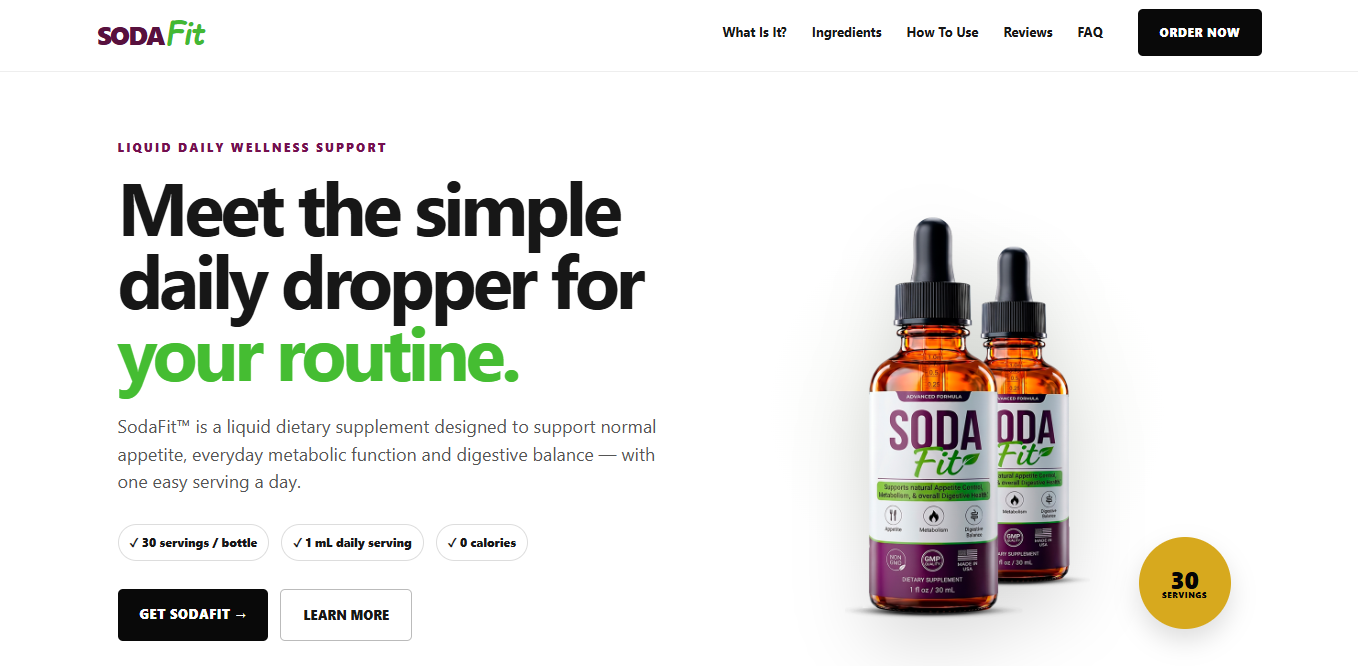
SodaFit has attracted attention through online promotions claiming that a simple baking soda weight-loss trick can help people burn stubborn fat and achieve dramatic results. These advertisements often begin by promising an easy homemade recipe, then lead viewers toward a paid supplement presented as the secret to making the method work.
But does SodaFit actually deliver the weight-loss benefits advertised? Are the celebrity endorsements genuine, and is there credible scientific evidence behind the baking soda claims?
This review examines SodaFit’s marketing, the available evidence, potential safety concerns, consumer warning signs and what to check before spending money on the product.
What Is SodaFit?
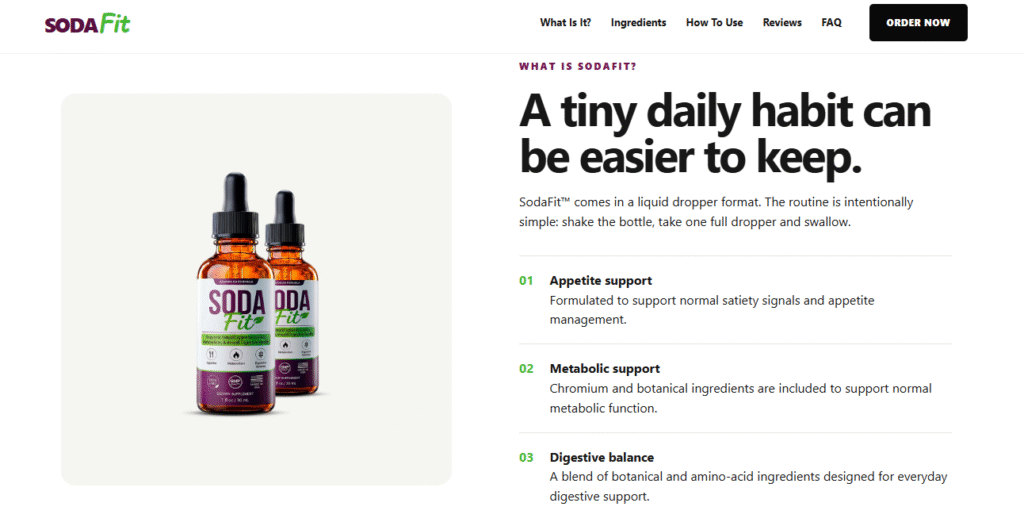
SodaFit is a name associated with online weight-loss supplement promotions built around the idea that baking soda can help people lose weight. Some advertisements feature a purported recipe using familiar household ingredients, while a long sales presentation eventually introduces a supplement for purchase.
The important complication is that SodaFit does not appear to refer to one consistently identifiable product across every online listing. Reports describe capsule and liquid versions with different formulations and sales channels. Therefore, the ingredients, manufacturer, seller and terms of sale must be checked for the exact product being offered.
The version promoted through the viral baking soda advertisements is particularly concerning because the central marketing claims are not supported by reliable evidence showing that the product produces the dramatic weight loss promised.
How the SodaFit Baking Soda Promotion Works
The promotional approach follows a pattern that appears in many questionable online supplement campaigns.
1. A simple weight-loss trick attracts attention
The advertisement begins with a promise of an easy, inexpensive baking soda recipe. It may suggest that a common kitchen ingredient holds the key to losing belly fat or improving metabolism.
This approach is appealing because it presents weight management as something simple that can be accomplished without major lifestyle changes.
2. A dramatic video builds credibility
The viewer may encounter a lengthy presentation featuring apparent testimonials, medical terminology and familiar public figures. Some versions of similar baking soda promotions have used videos or images associated with celebrities and doctors.
A familiar face is not proof of endorsement. Edited clips, synthetic audio and AI-generated video can make it appear that someone supports a product when no genuine endorsement has been established.
3. The recipe leads to a supplement sale
Instead of simply providing the promised recipe and explaining its limitations, the presentation shifts toward a branded supplement such as SodaFit.
This transition is a significant warning sign when the product is portrayed as the missing ingredient in a supposedly proven weight-loss method, but the seller does not provide convincing clinical evidence for the finished formula.
4. Urgency encourages a quick purchase
Some promotions use limited-time discounts, countdowns or dramatic success stories to encourage viewers to order immediately.
A discount, testimonial or countdown does not establish that a supplement works. Buyers should have enough time to verify the seller, product ingredients, complete price and refund policy before entering payment details.
Does Baking Soda Actually Help With Weight Loss?
The short answer is there is no reliable scientific evidence that drinking baking soda causes meaningful weight loss.
Baking soda, also known as sodium bicarbonate, has legitimate uses, including certain medical applications for neutralizing acid. However, those uses do not establish that it burns body fat, activates fat-burning hormones or produces lasting reductions in body weight.
According to Healthline’s evidence review, there is no scientific evidence supporting baking soda as a weight-loss treatment.
A homemade drink may contain water or other ingredients that influence hydration or appetite temporarily. That does not mean the baking soda itself causes fat loss, and it certainly does not demonstrate that a proprietary supplement will produce the dramatic results described in an advertisement.
Claims that a drink can replace proven weight-management treatments or deliver prescription-like effects should be treated with particular skepticism.
Is SodaFit a Scam?
It is important to distinguish between a product’s existence and the claims used to sell it.
The available reporting raises several concerns about the SodaFit promotions, particularly the unverified weight-loss promises, the shift from a supposedly free recipe to a paid supplement, and the use of apparent celebrity or medical endorsements that are not independently authenticated.
A recent consumer-awareness investigation describes SodaFit as being promoted through a baking soda recipe funnel and notes that different products use the same name.
These findings are reasons for caution, but they do not prove that every product sold under the SodaFit name is identical or that every transaction is fraudulent.
The most defensible conclusion is that the viral baking soda weight-loss claims are unsupported, and the marketing approach presents significant red flags. Do not assume that a supplement is effective, medically endorsed or worth its price simply because a polished video says so.
Are the Celebrity Endorsements Genuine?
Some versions of the baking soda weight-loss promotion associate the method with celebrities or recognizable medical professionals. These associations can create the impression that the product has received expert approval.
However, a person appearing in a video is not sufficient evidence of a genuine endorsement. Footage can be taken out of context, edited or manipulated using AI.
Investigations into similar promotions have found no verified evidence supporting claims that well-known personalities introduced or endorsed the advertised baking soda weight-loss method.
Before trusting a claimed endorsement, look for an original announcement on the person’s verified website or official social media account. Also check whether the person actually names the specific product being sold.
If the endorsement appears only in a paid advertisement or unfamiliar sales video, treat it as unverified.
Ingredients and Effectiveness: What Should Buyers Check?
Because the SodaFit name has been associated with different formulations, there is no single ingredient list that can safely be assumed to apply to every bottle.
Before purchasing, examine the label and look for the following:
- Complete ingredient list: The seller should identify the ingredients in the exact product.
- Individual quantities: A proprietary blend that hides ingredient amounts makes it difficult to assess the formula.
- Manufacturer information: Check the legal company name and contact details.
- Product-specific research: Evidence about one ingredient does not prove that the finished supplement works.
- Realistic claims: Promises of rapid, effortless fat loss deserve skepticism.
- Independent verification: Look for research published outside the seller’s own marketing materials.
A list of familiar botanical ingredients is not proof of effectiveness. Even when individual ingredients have been studied, the results may not apply to the quantities, combinations or formulation in a particular supplement.
Without credible clinical evidence on the exact finished product, SodaFit’s advertised weight-loss benefits should be considered unproven.
Is Drinking Baking Soda Safe?
Baking soda is a common household product, but swallowing it specifically for weight loss is not risk-free.
Sodium bicarbonate adds sodium to the diet. Excessive ingestion can cause serious problems, including disturbances in the body’s acid-base balance. It can also produce significant gas in the stomach, and large amounts may be dangerous.
People with high blood pressure, kidney or heart problems, or those taking certain medications should be especially cautious about consuming sodium bicarbonate for nonmedical purposes.
Do not follow a viral recipe that recommends large or repeated doses of baking soda. It should not be used as a substitute for prescribed medication or professional medical advice.
If you have already taken a large amount and develop severe abdominal pain, repeated vomiting, confusion or other concerning symptoms, seek urgent medical assistance or contact your local poison-information service.
Pros and Cons of SodaFit
Potential positives
- The promotions are easy to find online.
- Some versions are sold in familiar supplement formats, such as capsules or liquid drops.
- The marketing may introduce consumers to questions about nutrition and weight management.
These points are not evidence that the product is effective.
Cons and warning signs
- No reliable evidence establishes that the advertised baking soda method causes meaningful weight loss.
- The SodaFit name is associated with differing products and formulations.
- The transition from a free recipe to a paid supplement can be misleading.
- Celebrity or medical endorsements may be unverified.
- Proprietary blends can make ingredient evaluation difficult.
- The seller, refund arrangements and billing terms may require careful verification.
- Drinking baking soda for weight loss can pose health risks.
What to Do Before Buying SodaFit
If you are considering an order, take a few minutes to check the details rather than relying on the promotional video.
- Identify the exact product and the legal company accepting payment.
- Read the full ingredient label and serving instructions.
- Check the total amount charged, including shipping and any recurring payments.
- Read the refund policy and note any return deadlines or shipping requirements.
- Verify claimed endorsements through official sources.
- Look for credible, independent clinical evidence on the finished product.
If the sales page does not clearly identify the seller, disclose the terms or provide reliable evidence for its health claims, it is safer not to purchase.
If you have already ordered and suspect misleading billing, save the receipt, confirmation emails and screenshots of the offer. Contact the seller in writing and speak with your payment provider if an unauthorized or misleading charge needs to be disputed.
Frequently Asked Questions
1. Does SodaFit burn belly fat?
There is no reliable evidence establishing that SodaFit burns belly fat or produces the dramatic weight loss described in its promotional claims.
2. Is the baking soda weight-loss recipe scientifically proven?
No. Baking soda has legitimate uses, but reliable scientific evidence does not show that drinking it causes meaningful fat loss.
3. Did Oprah or Dr. Oz endorse SodaFit?
The promotional association should not be treated as proof of endorsement. Verify any claim through the person’s official channels before trusting it.
4. Is every SodaFit product the same?
No. Available reports describe different products using the SodaFit name, including liquid and capsule versions. Check the exact formulation and seller rather than assuming all listings are identical.
5. Can baking soda replace weight-loss medication?
No. There is no reliable basis for treating baking soda as a replacement for prescribed weight-management medication. Do not stop or change prescribed treatment without consulting your healthcare professional.
6. Is SodaFit worth the money?
Given the lack of convincing evidence for the advertised baking soda weight-loss claims and the concerns surrounding the marketing, it is difficult to justify purchasing the product on that basis.
7. What are safer ways to manage weight?
Evidence-based weight management can involve sustainable dietary changes, physical activity, adequate sleep and professional guidance when appropriate. A healthcare professional can help identify an approach suited to your needs.
Final Verdict: Should You Trust SodaFit?
SodaFit’s viral baking soda weight-loss promotion raises substantial concerns. The promised shortcut is not supported by reliable scientific evidence, and the transition from a simple homemade recipe to a paid supplement deserves scrutiny.
The key issue is not simply whether a bottle exists or whether a seller can ship it. It is whether the finished product has demonstrated benefits, whether the seller provides transparent information and whether the marketing accurately represents the evidence.
Our verdict: Approach SodaFit with strong caution and do not buy it based on the baking soda claims or supposed celebrity endorsements. The advertised results remain unproven, and consuming baking soda for weight loss can carry health risks.
For anyone seeking lasting weight management, evidence-based strategies and qualified healthcare advice are a safer foundation than a viral recipe or a supplement sales funnel.
Also, Check: COSWHEEL R6000 7000W Electric Dirt Bike Review

Nikhil Sharma is the author and researcher behind Review Trails, where he shares shopping website reviews, product insights, and scam or legit website analysis. He focuses on providing honest, easy-to-understand information that helps readers make safer and smarter online purchasing decisions.