
Persistent ringing, buzzing, humming, or whistling in the ears can be frustrating. For some people, tinnitus interferes with sleep, concentration, and everyday conversations. It is understandable that anyone experiencing these symptoms might look for a simple, affordable way to find relief.
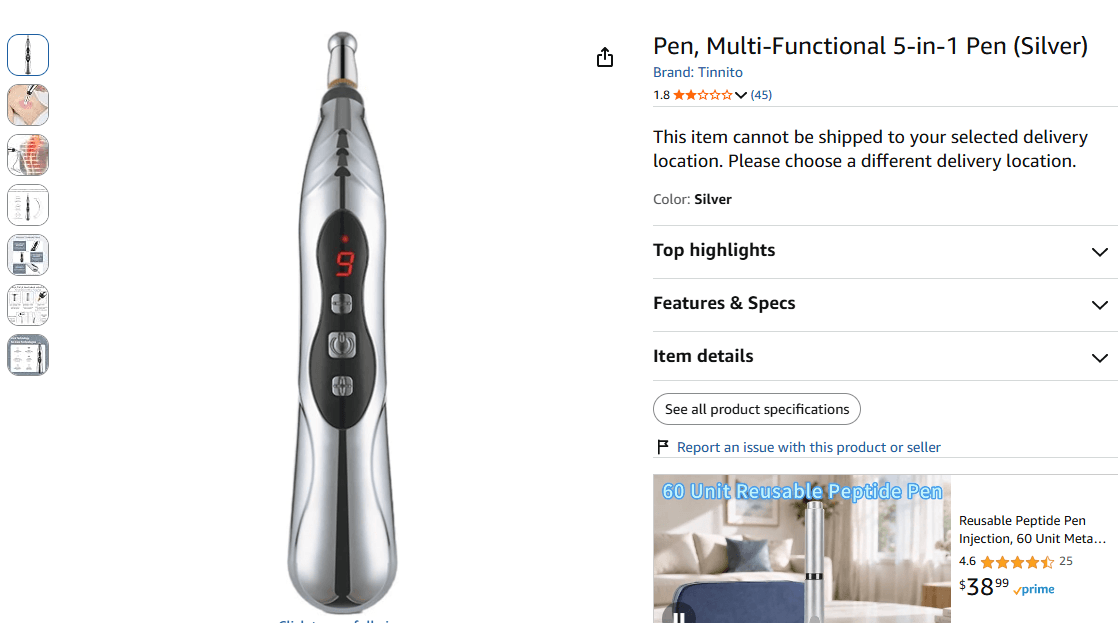
The Tinnito Pen, sold through Xeviola, is marketed as a compact electronic device that supposedly uses neuromuscular stimulation to reduce tinnitus symptoms. Its biggest selling point is the claim that just 30 seconds of use behind the ear can help quiet the ringing.
But does the Tinnito Pen actually work, and is it worth buying?
This review examines the product’s advertised features, scientific evidence, pricing, safety considerations, and seller transparency. The goal is to distinguish marketing promises from what is currently established about tinnitus treatment.
Review disclaimer: This article is based on publicly available product information and medical guidance. It does not claim personal testing of the device or provide an individual medical diagnosis.
What Is the Tinnito Pen?
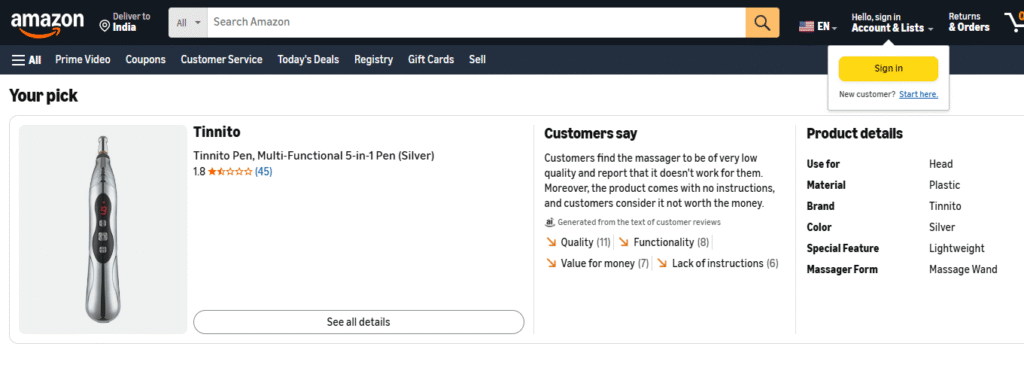
The Tinnito Pen is a small handheld electronic gadget marketed to people experiencing tinnitus. According to the seller, it uses tiny electrical pulses or neuromuscular stimulation applied near the ear to help reduce the perception of ringing and buzzing.
Its design is intended to be simple: users hold the device near or behind the ear and follow the recommended short treatment routine. The company promotes it as a portable alternative to more involved tinnitus-management approaches.
The appeal is obvious. Unlike hearing aids, which may need professional fitting, or structured therapies that require repeated sessions, the Tinnito Pen is advertised as an easy-to-use gadget that can be carried in a pocket.
However, ease of use is not proof of medical effectiveness. The important question is whether this particular device has been shown to produce meaningful, lasting improvements in tinnitus.
Tinnito Pen Features and Price
| Feature | Advertised details |
|---|---|
| Product type | Handheld electronic stimulation device |
| Intended use | Tinnitus symptom relief |
| Proposed mechanism | Neuromuscular or micro-electric stimulation |
| Advertised treatment time | Approximately 30 seconds |
| Design | Compact, portable pen-style device |
| Single-unit advertised price | $39.99 |
| Multi-pack offer | Three units advertised for $99.95 |
| Refund policy | Advertised 30-day money-back guarantee |
Prices and promotional terms can change. Confirm the final checkout amount, shipping charges, return conditions, and any additional fees before placing an order.
These are seller-advertised specifications and claims, not independently verified clinical results.
How Is the Tinnito Pen Supposed to Work?
The product’s marketing suggests that electrical stimulation near the ear can influence nerves associated with tinnitus and reduce the perception of unwanted sound.
Electrical stimulation is an area of legitimate medical research. Some specialist approaches investigate how carefully controlled stimulation may affect auditory pathways or the brain’s processing of sound.
However, research into one type of stimulation does not automatically validate a different device. The location of stimulation, waveform, intensity, treatment duration, patient selection, and clinical protocol can all affect outcomes.
For the Tinnito Pen specifically, I could not verify publicly available peer-reviewed clinical trials demonstrating that it reliably relieves tinnitus in 30 seconds.
The distinction is important: a device may produce an electrical sensation without producing a therapeutic benefit. Even if someone experiences temporary relief, that does not establish that the device treats the underlying cause of tinnitus or that the effect will last.
Does the Tinnito Pen Really Work?
At present, there is insufficient product-specific evidence to recommend the Tinnito Pen as an effective tinnitus treatment.
The American Tinnitus Association warns consumers about products that promise rapid relief or a cure without credible supporting evidence. Tinnitus has many possible causes and involves complex auditory processes; no single consumer gadget has been established as a universal cure.
A recent systematic review of over-the-counter tinnitus treatments also found that the available trial evidence was inconsistent and did not support firm conclusions about the benefits of the products examined. That review does not specifically test the Tinnito Pen, but it reinforces the need for caution when evaluating unsupported treatment claims.
Here is how the main claims should be interpreted:
Claim: It stops ringing in 30 seconds.
There is no verified clinical evidence identified in this review establishing that the Tinnito Pen reliably produces this result.
Claim: It calms the nerves responsible for tinnitus.
The explanation is too general to demonstrate effectiveness. Tinnitus can arise through different mechanisms, and a broad description of nerve stimulation does not prove a meaningful clinical benefit.
Claim: It offers a simple alternative to other treatments.
Its portability may make it convenient, but convenience does not establish equivalence to hearing aids, tinnitus-focused psychological therapy, or professionally supervised treatment.
Claim: It provides lasting relief.
The available evidence does not establish the duration or consistency of any benefit from this specific product.
Is the Tinnito Pen FDA Approved or Cleared?
Buyers should not assume that the Tinnito Pen has FDA clearance or approval for treating tinnitus. I could not verify a product-specific FDA authorisation from the information reviewed.
FDA clearance and approval are different regulatory pathways, and the requirements depend on the device and its intended use. The absence of verified authorisation does not, by itself, prove that a device is fraudulent. It does mean that buyers should not interpret the product’s marketing as evidence of regulatory validation.
Ask the seller for the exact regulatory status and supporting documentation if it claims the device is medically authorised. Be wary of vague references to medical technology that do not identify the relevant device, manufacturer, or authorisation.
Pros and Cons
Potential advantages
- Compact and portable design.
- Straightforward concept with no smartphone app advertised as necessary.
- Non-pharmaceutical approach.
- Lower upfront price than some specialist treatment options.
- The seller advertises a 30-day money-back guarantee.
Disadvantages
- No verified clinical trials identified for the specific device.
- The advertised 30-second relief claim is not established by reliable evidence.
- Long-term effectiveness and safety have not been independently demonstrated in the sources reviewed.
- The mechanism of action is not sufficiently documented to establish clinical benefit.
- Regulatory authorisation for tinnitus treatment could not be verified.
- The seller’s refund policy needs to be checked carefully before purchase.
Is the Tinnito Pen Safe?
Safety deserves as much attention as effectiveness. An electronic device that applies stimulation near the ear should not automatically be assumed safe for every user simply because it is compact or sold online.
The available information does not provide enough independent safety data to make a confident assessment of the Tinnito Pen for all users. Follow the device’s official instructions, do not increase the intensity or use it on unintended areas, and stop if you experience pain, dizziness, skin irritation, worsening tinnitus, or changes in hearing.
If you have a pacemaker, cochlear implant, another implanted electronic device, an ear condition, or a medical concern that might affect the use of electrical stimulation, consult an appropriate healthcare professional before using it.
Do not use the pen as a reason to postpone an examination for persistent or worsening tinnitus.
Seek urgent medical assessment for sudden hearing loss, particularly if it develops over hours or a few days. Tinnitus accompanied by sudden hearing changes, significant dizziness, or other new neurological symptoms also warrants prompt medical attention.
Is Xeviola Legitimate?
The Tinnito Pen is sold through Xeviola’s online storefront. However, the existence of a product page, a promotional discount, or a money-back guarantee does not establish that the advertised medical benefits are real.
The main concern is the gap between the strong promise of rapid tinnitus relief and the lack of verified product-specific clinical evidence. The price may appear manageable, but the potential cost includes not only the device itself but also the risk of spending money on something that does not help.
Before ordering:
- Verify the seller’s business identity and contact information.
- Read the complete refund policy, including return-shipping costs and exclusions.
- Check whether the advertised guarantee applies to opened or used products.
- Keep the order confirmation and a copy of the product claims.
- Use a payment method with buyer protection.
The available evidence is not sufficient to declare every sale fraudulent. Nevertheless, the medical claims warrant considerable skepticism.
What Are Better-Supported Options for Tinnitus?
There is no single solution that works for everyone, but several approaches have a stronger clinical basis for helping people manage tinnitus.
- Hearing assessment: A hearing-care professional can check for hearing loss, earwax problems, and other issues that may contribute to tinnitus.
- Hearing aids: When tinnitus occurs alongside hearing loss, hearing aids may improve communication and can make tinnitus less noticeable for some people.
- Cognitive behavioural therapy (CBT): Tinnitus-focused CBT can help reduce distress and improve quality of life, even when the sound itself does not disappear.
- Sound enrichment: Background sound, such as gentle ambient noise, may make tinnitus less intrusive for some people, especially at bedtime.
- Medical review: A clinician can assess possible causes, review medications, and determine whether further investigation is needed.
These approaches do not guarantee that tinnitus will disappear, but they offer a more reasonable starting point than relying on an unverified quick-fix device.
Frequently Asked Questions
Can the Tinnito Pen cure tinnitus permanently?
There is no reliable clinical evidence identified here showing that it cures tinnitus or produces permanent relief.
How long does it take to work?
The seller advertises a 30-second routine, but the advertised duration is not proof that the device provides effective relief within that time.
Is it FDA approved?
I could not verify FDA clearance or approval for the Tinnito Pen as a tinnitus treatment.
Does electrical stimulation help tinnitus?
Some forms of electrical stimulation are being researched or used in specific clinical approaches. That does not establish that the Tinnito Pen uses a validated protocol or produces the same results.
Should I stop other treatment if I buy it?
No. Do not stop prescribed medication, hearing-aid use, or clinician-recommended treatment without discussing it with your healthcare professional.
Is it worth the $39.99 advertised price?
Given the lack of verified product-specific clinical evidence, it is difficult to recommend spending money on the device with the expectation of reliable tinnitus relief.
Final Verdict
The Tinnito Pen is marketed as a convenient way to reduce tinnitus through brief electrical stimulation near the ear. Its portable design and relatively low advertised price may appeal to people who are tired of persistent ringing and want something easy to try.
Unfortunately, the central claim remains unsubstantiated. I could not identify reliable clinical evidence demonstrating that the specific device delivers consistent tinnitus relief in 30 seconds, and its medical authorisation could not be verified from the available information.
Our verdict: approach with considerable caution. The Tinnito Pen should not be treated as a proven tinnitus therapy or a replacement for professional assessment. Before purchasing, ask for credible clinical evidence and clear regulatory documentation. If you are experiencing persistent tinnitus, a hearing assessment and evidence-based symptom-management options are a more dependable starting point.

Nikhil Sharma is the author and researcher behind Review Trails, where he shares shopping website reviews, product insights, and scam or legit website analysis. He focuses on providing honest, easy-to-understand information that helps readers make safer and smarter online purchasing decisions.